


Innovations In Headphone Technology For Autism
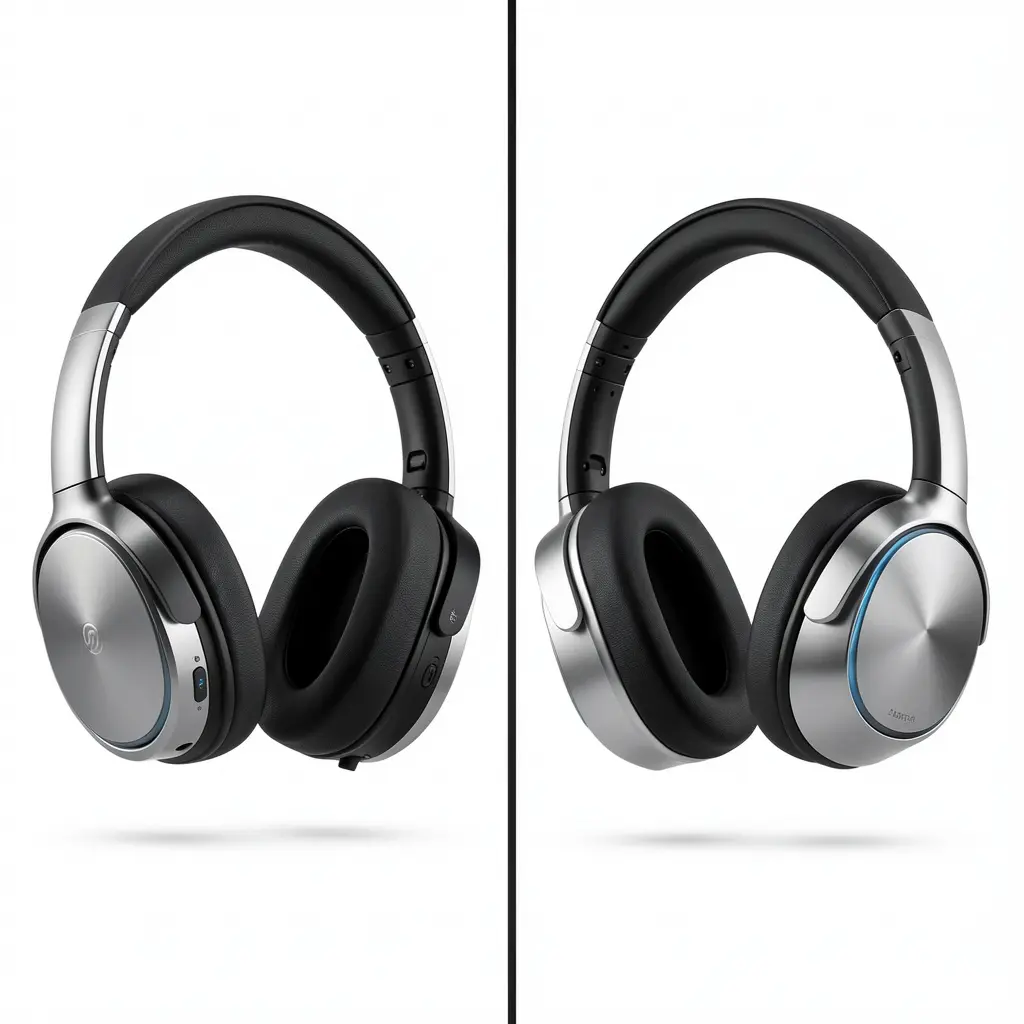
New headphone technology helps people with autism. These headphones can block loud sounds. They also provide calming sounds. This makes it easier to focus.
Sound therapy is becoming more popular. It helps many people feel better. New headphones offer different sound options. Soft music can relax the mind. Nature sounds can also help.
Future trends show exciting changes. Many companies create special headphones. They focus on comfort and sound quality. Some headphones even adjust to each person’s needs. This can make a big difference.
| Feature | Description |
|---|---|
| Noise Cancellation | Blocks out unwanted sounds. |
| Adjustable Sound | Customizes sounds for each user. |
| Comfortable Fit | Designed for long wear without pain. |
Real-life Success Stories
Maria</strong shared her story. She felt overwhelmed by noise. Using special headphones helped her feel calm. They blocked loud sounds.
James had trouble in crowded places. His mom got him noise-canceling headphones. Now, he can go to events. He enjoys being with friends.
Emily struggled during school. She used headphones during tests. This helped her focus better. She said it changed her school experience.
Caregivers noticed big changes too. They saw less anxiety in their loved ones. Headphones made outings easier. Life became more enjoyable.
Frequently Asked Questions
What Are The Best Headphones For Autism?
The best headphones for autism are noise-canceling or comfortable over-ear styles. Look for lightweight options with soft padding. Brands like Bose and Sony offer excellent choices. Ensure they provide adjustable sizes for a snug fit. Personal preference plays a significant role, so try different types to see what works best.
How Can Headphones Help Individuals With Autism?
Headphones can help individuals with autism by reducing sensory overload. They create a calmer environment by blocking out distracting noises. This can improve focus and relaxation, especially in busy settings. Using headphones can also facilitate better communication in social situations.
It’s a simple tool to enhance comfort and well-being.
Are Noise-canceling Headphones Suitable For Children?
Yes, noise-canceling headphones are suitable for children, especially those with autism. They help to minimize overwhelming sounds in various environments. Choose models specifically designed for kids, ensuring comfort and safety. Testing different styles can help find the perfect fit. Always supervise young children while using headphones.
Can Headphones Worsen Sensory Sensitivities?
Headphones can worsen sensory sensitivities if they are uncomfortable or too tight. Poorly fitting headphones may cause irritation and discomfort. It’s important to choose the right size and style. Soft padding and adjustable features can enhance comfort. Regular breaks from wearing headphones can also help manage sensitivities effectively.
Conclusion
Finding the right headphones can make a big difference. Comfort is key for those with autism. Soft materials and adjustable designs help reduce discomfort. Noise-canceling features can create a calmer environment. Always test headphones before buying. Small changes can lead to better experiences.
Parents and caregivers should pay attention to individual needs. With the right headphones, enjoying music or sounds becomes easier. This simple adjustment can help improve daily life. Focus on comfort and sound quality for the best results.
Autism affects many individuals, often changing how they experience the world. Sounds that seem normal to most can be overwhelming for someone with autism.
Finding comfort with headphones can make a big difference. Many people with autism struggle with noise sensitivity. Headphones can help create a calming environment. However, traditional headphones may feel uncomfortable or too tight. This post will explore ways to improve the comfort of headphones for those on the autism spectrum.
We will share tips and tricks to make headphones feel better. The goal is to help create a more enjoyable listening experience. Understanding these adjustments can enhance daily life. Let’s dive into how to make headphones a better fit for everyone.
The Connection Between Autism And Sensory Sensitivities
Many people with autism face sensory sensitivities. Sounds can feel very loud and overwhelming. This is called auditory overload. It can cause stress and anxiety. Some sounds may seem normal to others but not to them.
Managing sound is very important. Using headphones can help reduce loud noises. They can create a calm space. Look for headphones that are comfortable. Adjustable options are best for different needs.
Soft padding is key. It helps lessen pressure on the ears. Noise-canceling features can be helpful too. This blocks out unwanted sounds. Finding the right fit can make a big difference.
Take breaks from loud environments. This gives time to recharge. Encourage safe spaces where they can relax. This helps them feel more at ease.
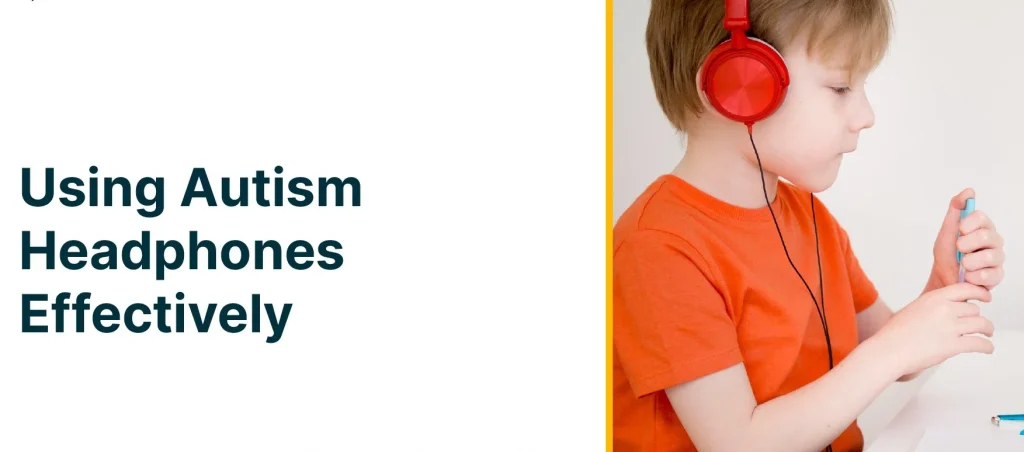
Understanding Headphones And Autism
Many people with autism find noisy places hard to handle. Headphones can help them feel better. They block out loud sounds. This makes the environment calmer.
Choosing the right headphones is important. Look for comfortable fit and soft ear cushions. Noise-canceling features can help reduce distractions. Some headphones come with volume limits to protect hearing.
| Type of Headphones | Benefits |
|---|---|
| Over-ear | Great noise isolation |
| On-ear | Lightweight and portable |
| In-ear | Good for travel |
Test the headphones before buying. Make sure they feel good for long periods. Everyone’s needs are different. Find what works best for you or your loved one.
Essential Features In Autism-friendly Headphones
Choosing autism-friendly headphones is important for comfort and focus. Noise-cancellation helps block out loud sounds. This makes it easier to concentrate. It also reduces stress and anxiety in noisy places.
Headphones should have comfortable materials. Soft ear cushions are a must. They should not hurt the ears. A lightweight design helps too. Look for adjustable headbands for a better fit.
Durable headphones are also key. Kids can be rough with their things. Sturdy materials can last longer. Look for models that are easy to clean.
Customizing Headphones For Optimal Comfort
Headphones need to fit well. Adjustable headbands help with this. They can change size easily. This ensures a snug fit for any head size. A good fit makes wearing them more comfortable.
Ear cushioning is also important. Soft cushions help reduce pressure on the ears. It is good to choose headphones with thick padding. This can prevent discomfort during long use.
Consider the weight of the headphones too. Lighter headphones are often easier to wear. Heavy headphones can cause fatigue over time. Make sure to test different styles for the best comfort.
Tips For Introducing Headphones To Individuals With Autism
Start with short periods of wearing headphones. Let them wear for just a few minutes. Gradually increase the time. This helps them get used to the feeling.
Choose comfortable headphones. Look for soft padding and adjustable sizes. This will make wearing them easier.
Use favorite sounds or music. Playing something they love makes it fun. This can help them feel more relaxed.
Be patient and positive. Praise them when they wear the headphones. Celebrate small victories to encourage them.
Make it a routine. Use headphones during specific activities. This helps them understand when to wear them.
Always check for signs of discomfort. If they seem upset, take a break. Respect their feelings and try again later.
Maintaining And Caring For Headphones
Regular cleaning helps keep headphones fresh. Use a soft cloth. Wipe the ear pads gently. Remove dirt and oils from your skin. Clean the cords too. This helps prevent damage.
Use a mild soap solution for tough spots. Make sure to dry them well. Always check for any wear or tear. This keeps your headphones working longer.
Storage is also important. Keep headphones in a case. Avoid wrapping cords too tightly. This prevents breaks and kinks. Store them away from heat. Heat can ruin the materials.
Try to keep them in a dry area. Humidity can cause damage. With simple care, headphones can last a long time.
Innovations In Headphone Technology For Autism
New headphone technology helps people with autism. These headphones can block loud sounds. They also provide calming sounds. This makes it easier to focus.
Sound therapy is becoming more popular. It helps many people feel better. New headphones offer different sound options. Soft music can relax the mind. Nature sounds can also help.
Future trends show exciting changes. Many companies create special headphones. They focus on comfort and sound quality. Some headphones even adjust to each person’s needs. This can make a big difference.
| Feature | Description |
|---|---|
| Noise Cancellation | Blocks out unwanted sounds. |
| Adjustable Sound | Customizes sounds for each user. |
| Comfortable Fit | Designed for long wear without pain. |
Real-life Success Stories
Maria</strong shared her story. She felt overwhelmed by noise. Using special headphones helped her feel calm. They blocked loud sounds.
James had trouble in crowded places. His mom got him noise-canceling headphones. Now, he can go to events. He enjoys being with friends.
Emily struggled during school. She used headphones during tests. This helped her focus better. She said it changed her school experience.
Caregivers noticed big changes too. They saw less anxiety in their loved ones. Headphones made outings easier. Life became more enjoyable.
Frequently Asked Questions
What Are The Best Headphones For Autism?
The best headphones for autism are noise-canceling or comfortable over-ear styles. Look for lightweight options with soft padding. Brands like Bose and Sony offer excellent choices. Ensure they provide adjustable sizes for a snug fit. Personal preference plays a significant role, so try different types to see what works best.
How Can Headphones Help Individuals With Autism?
Headphones can help individuals with autism by reducing sensory overload. They create a calmer environment by blocking out distracting noises. This can improve focus and relaxation, especially in busy settings. Using headphones can also facilitate better communication in social situations.
It’s a simple tool to enhance comfort and well-being.
Are Noise-canceling Headphones Suitable For Children?
Yes, noise-canceling headphones are suitable for children, especially those with autism. They help to minimize overwhelming sounds in various environments. Choose models specifically designed for kids, ensuring comfort and safety. Testing different styles can help find the perfect fit. Always supervise young children while using headphones.
Can Headphones Worsen Sensory Sensitivities?
Headphones can worsen sensory sensitivities if they are uncomfortable or too tight. Poorly fitting headphones may cause irritation and discomfort. It’s important to choose the right size and style. Soft padding and adjustable features can enhance comfort. Regular breaks from wearing headphones can also help manage sensitivities effectively.
Conclusion
Finding the right headphones can make a big difference. Comfort is key for those with autism. Soft materials and adjustable designs help reduce discomfort. Noise-canceling features can create a calmer environment. Always test headphones before buying. Small changes can lead to better experiences.
Parents and caregivers should pay attention to individual needs. With the right headphones, enjoying music or sounds becomes easier. This simple adjustment can help improve daily life. Focus on comfort and sound quality for the best results.