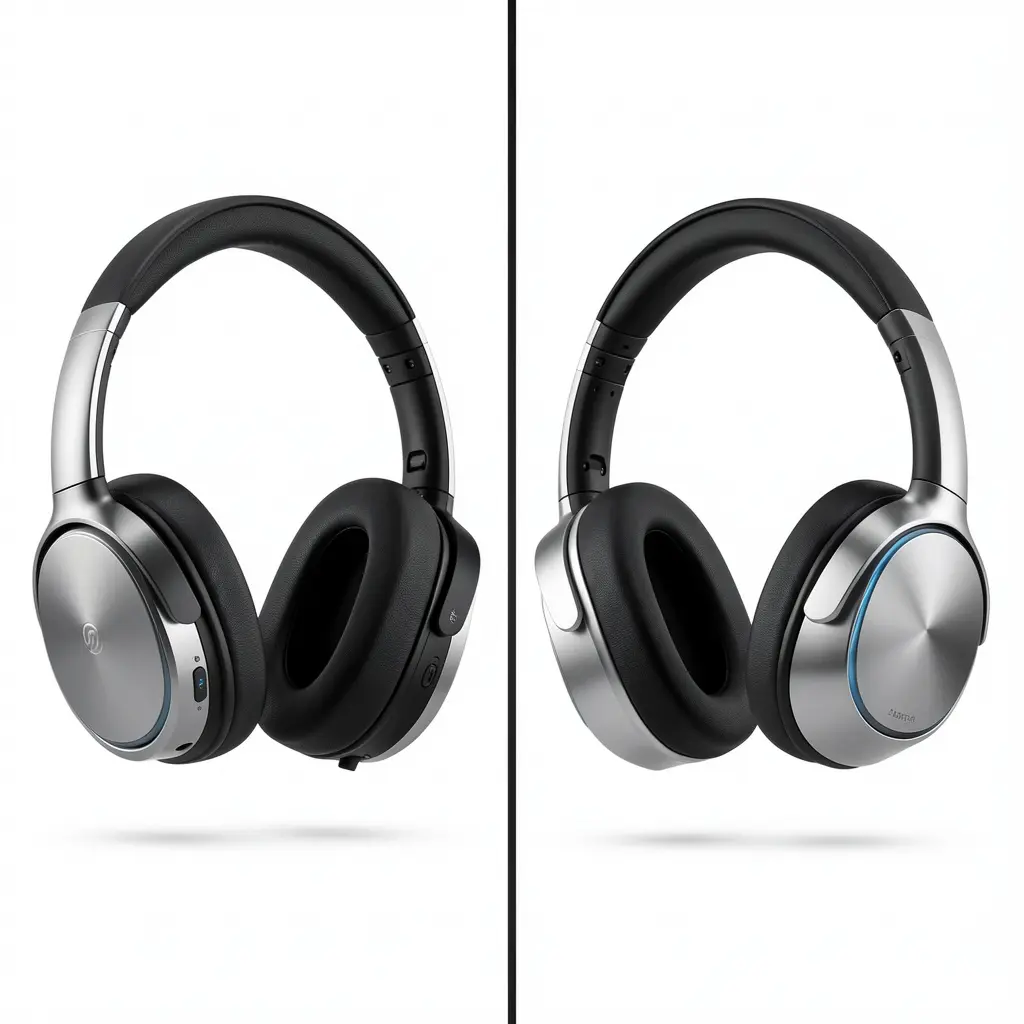



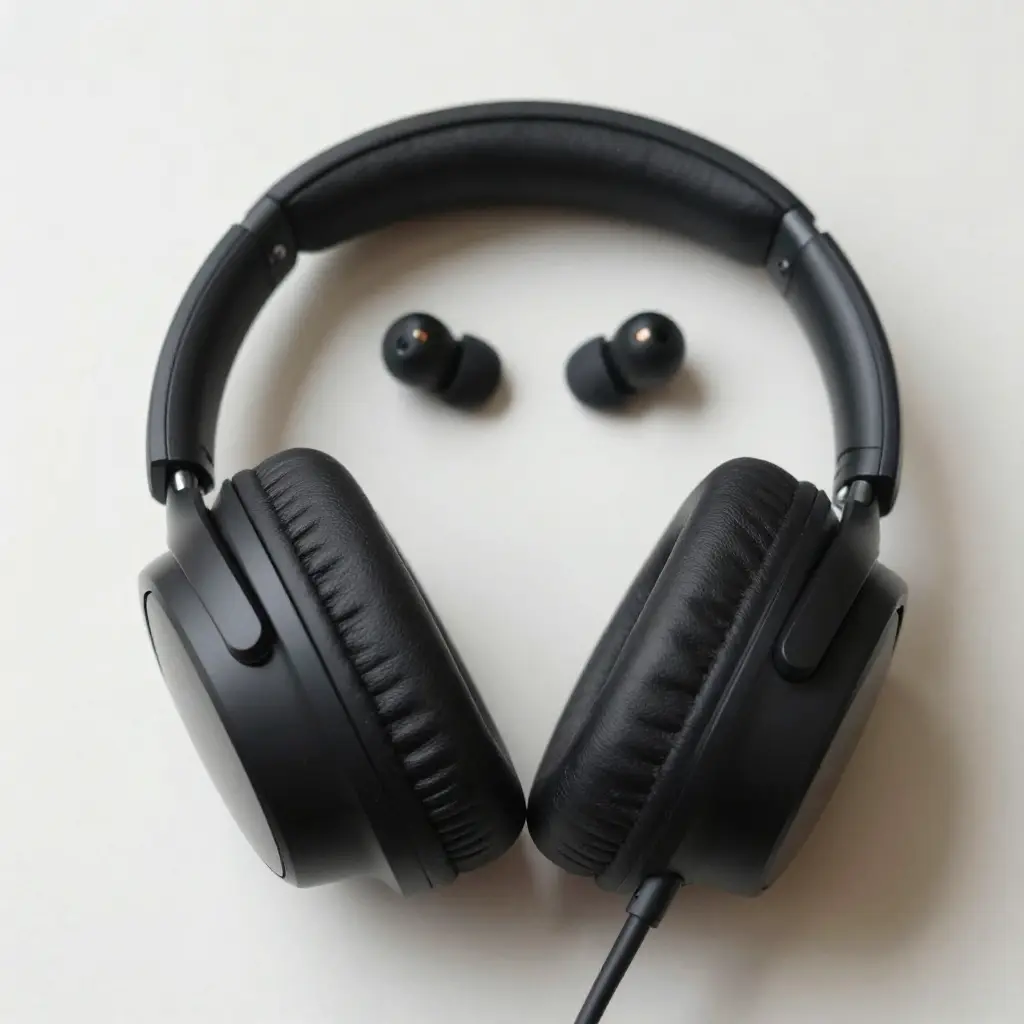
Do earbuds have less sound isolation than headphones?
This is a common question for people who work, travel, or live in noisy environments and want better focus or immersive audio.
This guide is for:
-
Everyday users confused between earbuds and headphones
-
Commuters, travelers, office workers, and gamers
-
Anyone planning to buy noise-isolating audio gear
What you’ll gain from this guide:
By the end of this article, you’ll clearly understand how sound isolation works, why earbuds usually isolate less noise, and which option is best for your real-world use — without marketing hype.
By the end of this article, you’ll clearly understand how sound isolation works, why earbuds usually isolate less noise, and which option is best for your real-world use — without marketing hype.
What Is Sound Isolation?
Sound isolation refers to how well headphones or earbuds physically block external noise before it reaches your ears.
There are two main types of sound isolation:
1. Passive Sound Isolation
-
Achieved through physical design
-
Uses materials like earcups, ear tips, foam, and padding
-
Works even when the device is powered off
2. Active Noise Cancellation (ANC)
-
Uses microphones and electronic processing
-
Cancels low-frequency sounds (engines, AC hum, traffic)
-
Depends on battery and technology quality
👉 Important: Sound isolation ≠ noise cancellation
Isolation blocks noise physically; ANC cancels it electronically.
How Earbuds Provide Sound Isolation
Earbuds rely almost entirely on passive isolation created by sealing the ear canal.
Types of Earbuds and Isolation Levels
1. Standard Open-Fit Earbuds
-
Example: Classic non-in-ear designs
-
Sit loosely in the ear
-
❌ Very poor sound isolation
-
External noise leaks in easily
2. In-Ear (IEM-style) Earbuds
-
Insert into the ear canal
-
Use silicone or foam tips
-
✔ Moderate isolation when fitted properly
3. Noise-Cancelling Earbuds
-
Combine passive seal + ANC
-
Better than standard earbuds
-
Still limited by small size and seal quality
Limitations of Earbuds
-
Ear canal shapes vary (fit inconsistency)
-
Small surface area = weaker physical barrier
-
Seal breaks easily during movement
-
High-frequency noise still leaks in
Bottom line:
Even good earbuds depend heavily on perfect fit, which many users don’t achieve.
How Headphones Provide Sound Isolation
Headphones isolate sound mainly by covering the entire ear and creating a physical barrier.
Types of Headphones and Isolation
1. Closed-Back Over-Ear Headphones
-
Thick earcups surround the ears
-
Dense padding blocks external sound
-
✔ Strong passive isolation
2. On-Ear Headphones
-
Sit on the ear instead of around it
-
Moderate isolation
-
Less effective than over-ear models
3. Noise-Cancelling Headphones
-
Combine large earcups + ANC
-
Excellent for low and mid-frequency noise
-
Best overall isolation for travel and work
Why Headphones Isolate Better
-
Larger physical coverage
-
Thicker materials
-
Better seal consistency
-
Less dependent on ear shape
Earbuds vs Headphones: Sound Isolation Comparison
| Feature | Earbuds | Headphones |
|---|---|---|
| Physical coverage | Small (ear canal only) | Full ear coverage |
| Passive isolation | Low–Moderate | Moderate–High |
| ANC effectiveness | Limited | Strong |
| Fit dependency | Very high | Low |
| Consistency | Inconsistent | Consistent |
| Best for noise blocking | ❌ | ✅ |
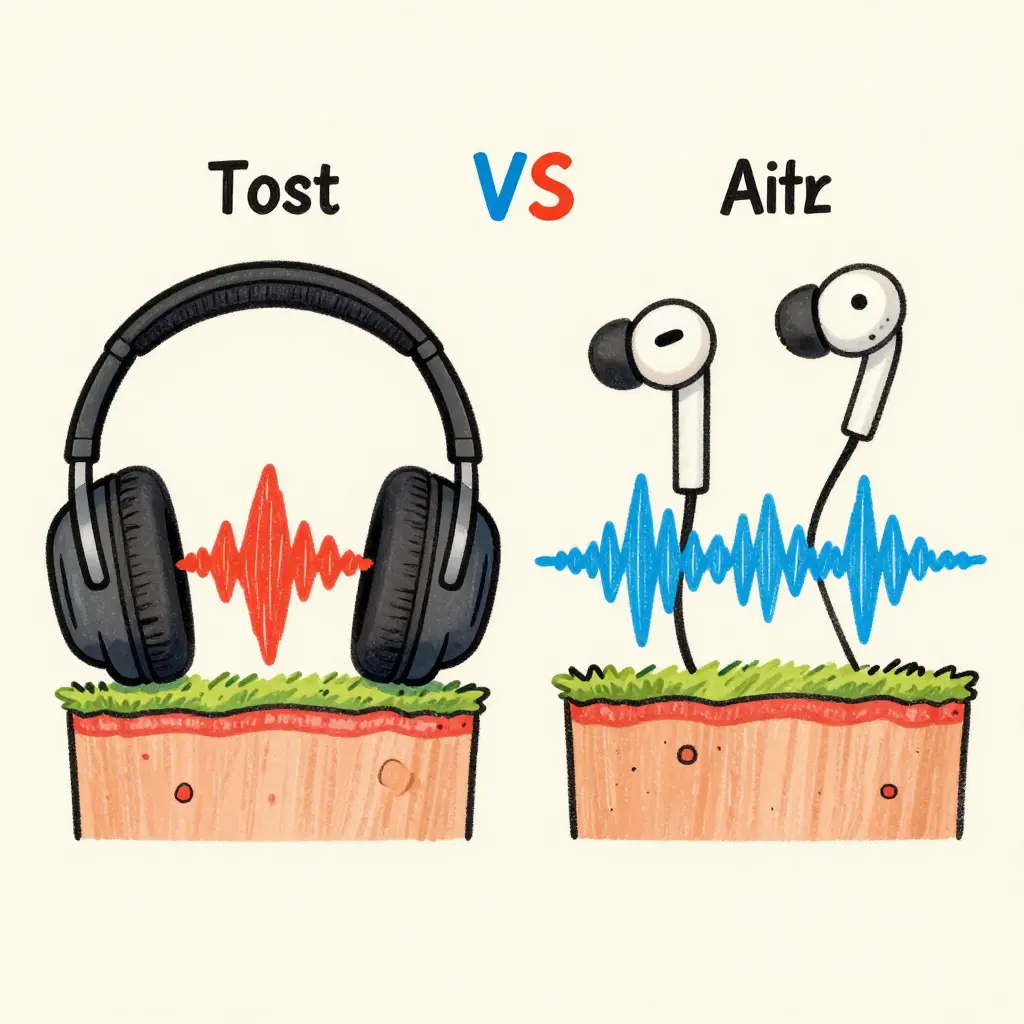
Clear winner for isolation: Headphones
Real-World Noise Scenarios
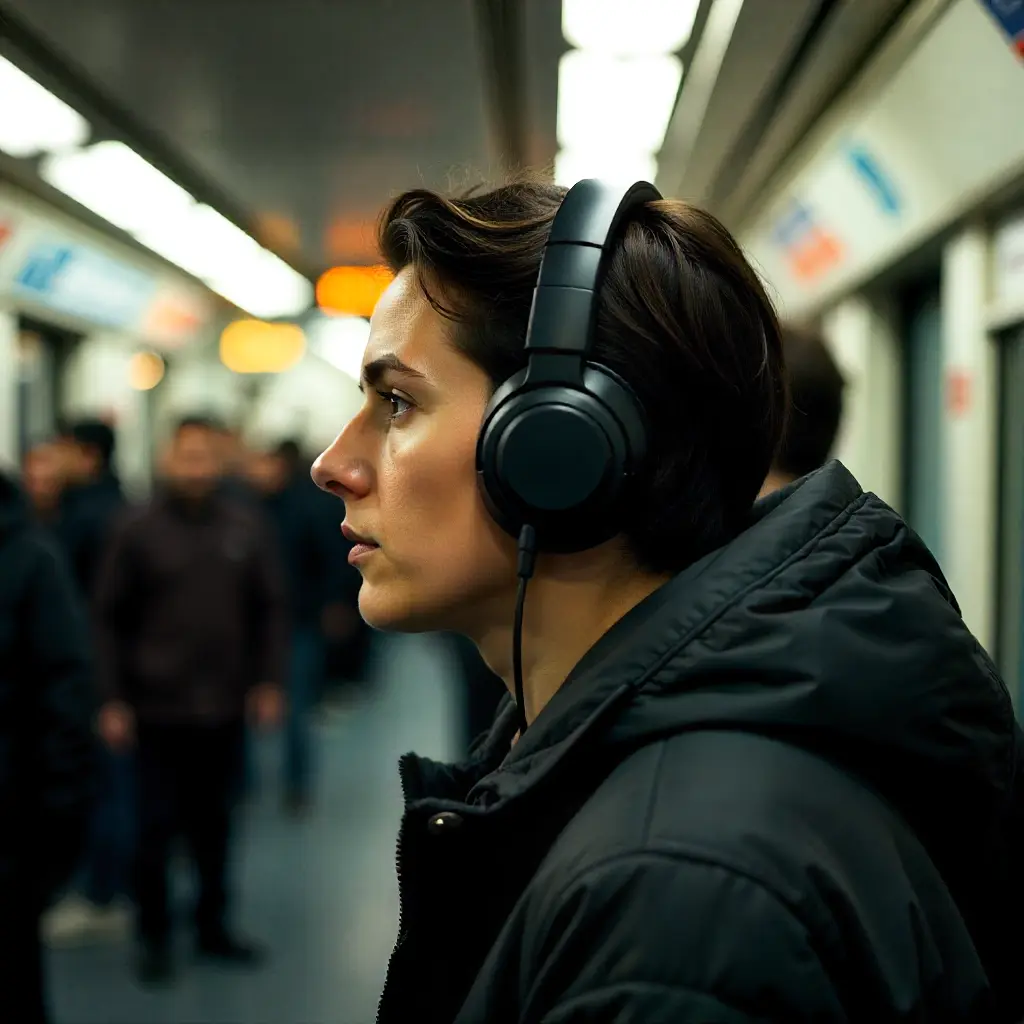
Commuting (Bus, Train, Subway)
-
Earbuds: Traffic and engine noise leaks in
-
Headphones: Better low-frequency blocking
✅ Headphones win
Office or Cafés
-
Earbuds: Voices still audible
-
Headphones: Better speech dampening
✅ Headphones win
Air Travel
-
Earbuds: ANC helps but limited
-
Headphones: Superior cabin noise reduction
✅ Headphones win
Light Outdoor Use
-
Earbuds: Acceptable for casual use
-
Headphones: Can feel bulky
⚖️ Earbuds acceptable here
👉 Best Noise Cancelling Headphones for Loud Environments
Can High-Quality Earbuds Match Headphones?
Short answer: Almost, but not fully.
Premium earbuds with:
-
Foam ear tips
-
Deep insertion
-
Advanced ANC
…can approach the isolation of basic closed-back headphones, but they still struggle against:
-
Sudden loud noises
-
Human voices
-
High-frequency sounds
How to Improve Sound Isolation with Earbuds
If you prefer earbuds, these tips help:
1. Use Foam Ear Tips
-
Expand inside ear canal
-
Seal better than silicone
2. Choose Correct Tip Size
-
Too small = leaks
-
Too large = discomfort and poor seal
3. Insert Properly
-
Twist slightly for a deeper seal
4. Enable ANC Correctly
-
Update firmware
-
Select strongest ANC mode
How to Improve Sound Isolation with Headphones
1. Use Closed-Back Models
Avoid open-back headphones in noisy places.
2. Check Ear Pad Condition
Worn pads reduce isolation significantly.
3. Adjust Headband Fit
Loose fit = sound leaks
Which Should You Choose?
Choose Earbuds If:
-
Portability is priority
-
Noise levels are moderate
-
You prefer lightweight gear
Choose Headphones If:
-
You need maximum focus
-
You work in loud environments
-
You travel frequently
-
Sound isolation matters most
👉 For extreme noise environments, headphones are the better choice.
👉 Best Noise Cancelling Headphones for Mowing Lawns
FAQ
1. Do earbuds have less sound isolation than headphones?
Yes. Earbuds usually isolate less noise because they block only the ear canal, while headphones cover the entire ear.
2. Are noise-cancelling earbuds enough for travel?
They help, but over-ear noise-cancelling headphones perform better on planes and trains.
3. Do foam tips really improve earbud isolation?
Yes. Foam tips significantly improve the seal and reduce external noise.
4. Is ANC more important than passive isolation?
Both matter, but strong passive isolation makes ANC more effective.
5. Which is safer for hearing?
Better isolation allows lower listening volume, making headphones generally safer.
Final Verdict
So, do earbuds have less sound isolation than headphones?
👉 Yes — in most real-world situations.
While modern earbuds have improved, headphones still provide stronger, more consistent sound isolation, especially in loud environments.
If isolation is your top priority, headphones remain the superior choice.