

Noise Cancelling vs Noise Isolating Headphones – Who This Guide Is For
This in-depth guide is for everyday headphone users, remote workers, travelers, gamers, and anyone confused about whether noise cancelling or noise isolating headphones are better for comfort, hearing safety, focus, and long-term use. Although both aim to reduce unwanted sound, they work in very different ways — and choosing the wrong type can lead to discomfort, fatigue, or poor listening habits.
By the end of this guide, you’ll understand:
-
How noise cancelling and noise isolating headphones work
-
Which option is better for health and hearing safety
-
Real-world use cases (travel, work, autism, gaming)
-
Pros, cons, and common misconceptions
-
How to choose the right option for your needs
Understanding the Core Difference
What Are Noise Cancelling Headphones?
Noise cancelling headphones use Active Noise Cancellation (ANC) technology. Built-in microphones detect external sounds and generate inverse sound waves to neutralize them. This method is especially effective at reducing:
-
Airplane engine noise
-
Traffic hum
-
Office background noise
-
Continuous low-frequency sounds
ANC works electronically and requires power from a battery.
What Are Noise Isolating Headphones?
Noise isolating headphones rely on passive sound blocking. Instead of electronic processing, they use:
-
Tight ear-cup seals (over-ear models)
-
Foam or silicone ear tips (in-ear models)
-
Physical materials to block sound
They do not use microphones or batteries for noise reduction.
How Each Technology Reduces Noise
Active Noise Cancellation Explained
ANC constantly analyzes incoming noise and produces an opposite sound wave to cancel it out. This process happens in real time and is most effective against steady, predictable sounds.
However, ANC:
-
Requires electronics and battery power
-
May cause pressure sensation for some users
-
Can introduce listening fatigue if used excessively
Passive Noise Isolation Explained
Noise isolation works like earplugs. The better the seal, the more sound is blocked. This method:
-
Blocks a wider range of frequencies naturally
-
Has no electronic interference
-
Depends heavily on fit and ear shape
High-quality isolation can reduce noise significantly without any technology.
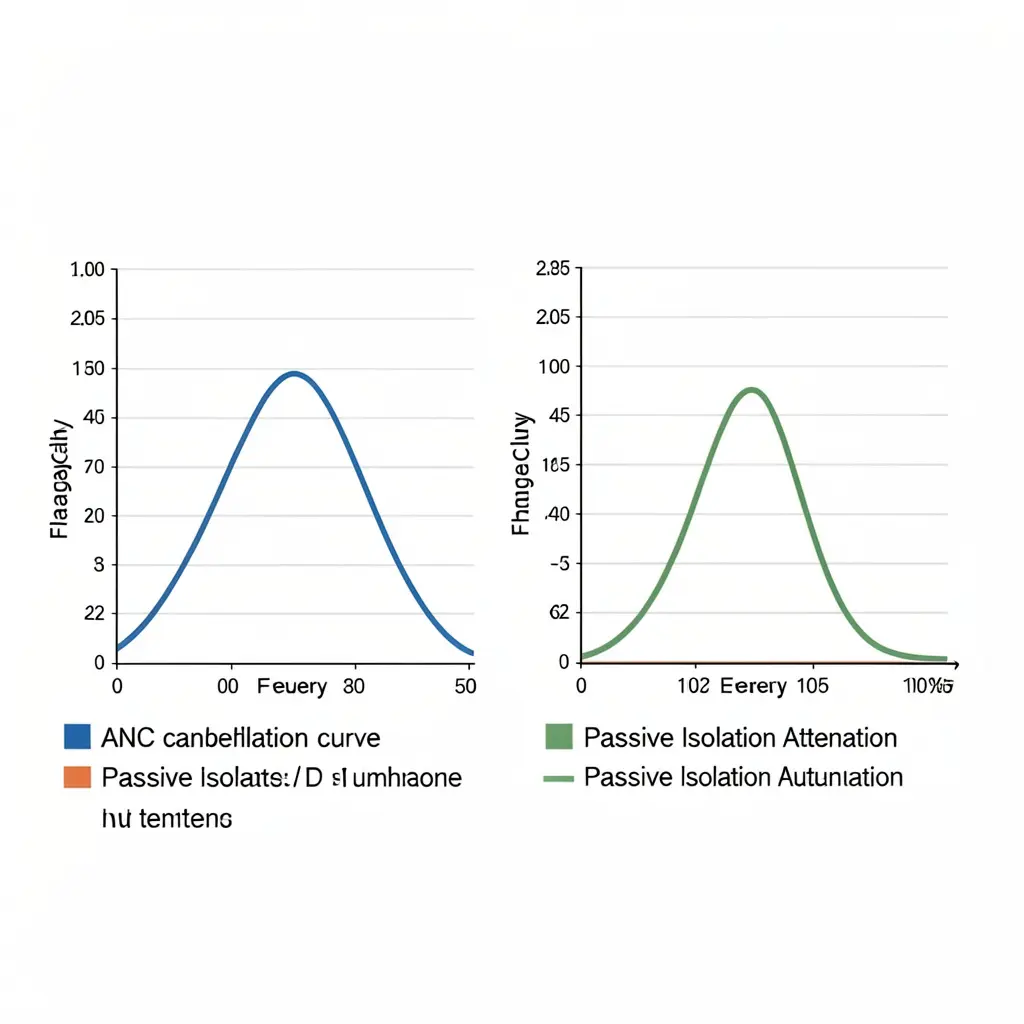
Noise Cancelling vs Noise Isolating: Hearing Health Comparison
Volume Behavior and Hearing Risk
Hearing damage depends on volume level and listening duration, not just headphone type. However, each approach influences listening behavior differently.
Noise Cancelling Headphones
-
Encourage lower volume in noisy environments
-
Reduce need to overpower background noise
-
May promote longer listening sessions
Noise Isolating Headphones
-
Naturally block noise without electronics
-
Require good fit to be effective
-
Can tempt users to increase volume if seal is poor
When used correctly, both can support safe listening, but misuse increases risk.
Listening Fatigue: Which Is Easier on the Brain?
Fatigue with Noise Cancelling Headphones
Some users experience:
-
Ear pressure sensation
-
Mild dizziness or discomfort
-
Mental fatigue after long ANC sessions
This happens because the brain constantly adapts to electronically altered sound environments.
Fatigue with Noise Isolating Headphones
Noise isolating headphones:
-
Produce no artificial sound processing
-
Feel more “natural” to many listeners
-
Reduce cognitive load during long sessions
For users sensitive to sensory input, passive isolation often feels more comfortable.
Comfort and Fit Differences
Over-Ear Designs
-
Both ANC and isolation benefit from over-ear designs
-
Larger ear cups improve comfort and seal
-
Wireless ANC models are heavier due to batteries
In-Ear Designs
-
Isolation depends heavily on ear tip material
-
Foam tips usually isolate better than silicone
-
ANC earbuds can feel intrusive for some users
Comfort varies greatly from person to person.
Safety Considerations You Should Know
Environmental Awareness
Noise cancelling headphones can reduce awareness of:
-
Traffic
-
Alarms
-
Announcements
Many modern ANC models include transparency modes to address this.
Noise isolating headphones also reduce awareness, but users often remove them more frequently.
Battery and Heat Concerns (ANC Only)
ANC headphones contain lithium-ion batteries, which:
-
Add heat during long use
-
Degrade over time
-
Require charging discipline
Noise isolating headphones avoid these risks entirely.
Which Is Better for Travel?
Noise Cancelling for Travel
Best choice for:
-
Airplanes
-
Trains
-
Long commutes
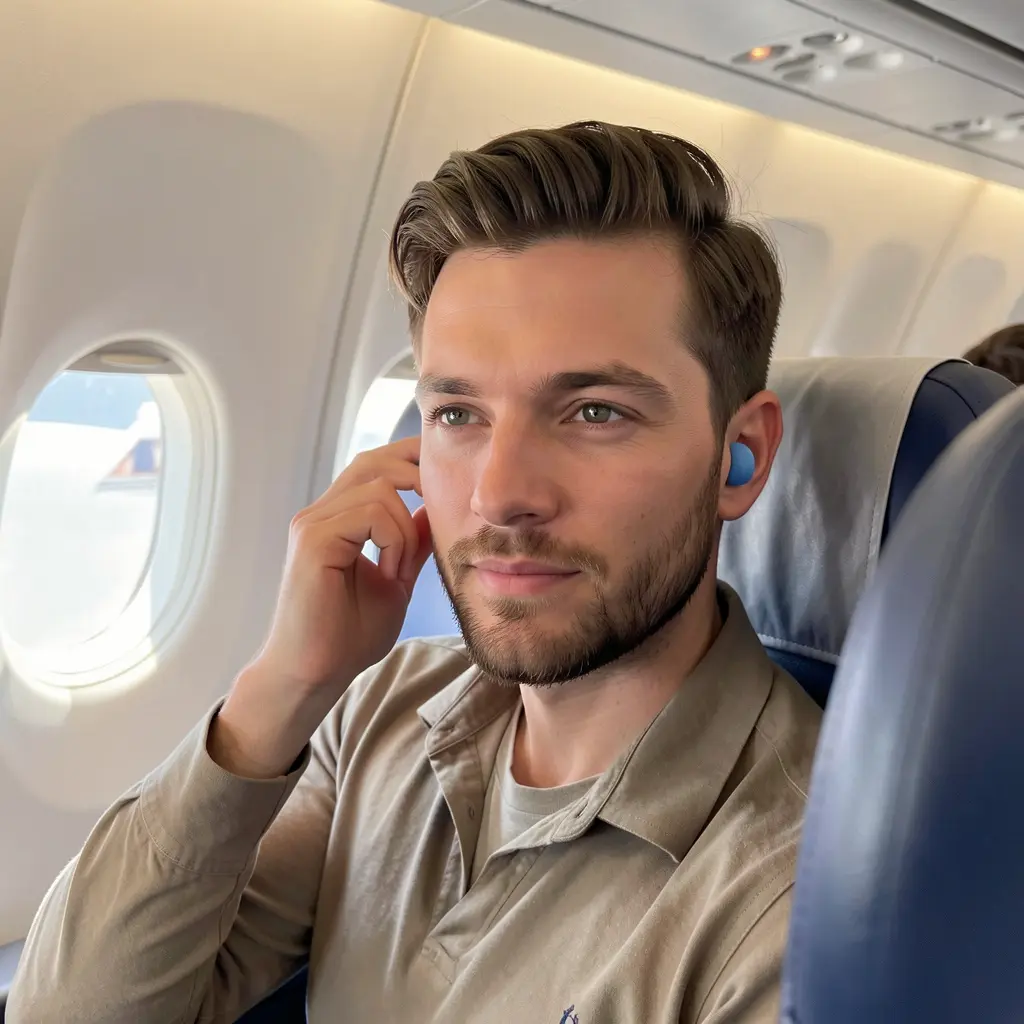
ANC excels at reducing continuous engine noise, improving comfort and reducing fatigue.
Noise Isolating for Travel
Works well if:
-
You use foam tips or closed-back over-ear models
-
You want zero battery dependence
Less effective against low-frequency engine noise.
Which Is Better for Work and Study?
Office & Remote Work
-
ANC helps reduce HVAC noise and chatter
-
Isolation works well in moderately noisy spaces
For long desk sessions, isolation may feel less fatiguing.
Which Is Better for Autism and Sensory Sensitivity?
Many adults with autism prefer:
-
Passive isolation for predictability
-
No electronic sound pressure
Others benefit from ANC in extremely noisy environments. Comfort testing is essential.
Noise-cancelling headphones for adults with autism
Noise Cancelling vs Noise Isolating for Gaming
Gaming Use
-
Isolation provides zero latency and consistent sound
-
ANC can slightly affect sound cues
Competitive gamers often prefer isolation or wired headphones.
Wired vs wireless headphones health and safety comparison
Noise Cancelling vs Noise Isolating: Comparison Table
| Feature | Noise Cancelling | Noise Isolating |
|---|---|---|
| Technology | Active (electronic) | Passive (physical) |
| Battery required | Yes | No |
| Best for travel | Excellent | Moderate |
| Listening fatigue | Medium for some | Low |
| Awareness risk | Higher | Moderate |
| Maintenance | Charging required | Minimal |
Frequently Asked Questions
Is noise cancelling safer than noise isolating?
Both are safe when used at proper volume levels. Safety depends more on listening habits than technology.
Do noise isolating headphones damage hearing?
No, unless users raise volume excessively due to poor fit.
Can I combine both technologies?
Yes, many ANC headphones also provide passive isolation for maximum effect.
The choice between noise cancelling vs noise isolating headphones depends on your environment, comfort preferences, and listening habits. Noise cancelling excels in travel and highly noisy spaces, while noise isolating offers simplicity, lower fatigue, and zero battery reliance. For hearing health, neither option is inherently better — responsible volume control and regular breaks matter most. Choosing the right tool for the right situation leads to safer and more comfortable listening.

