Over-Ear vs In-Ear Headphones: A Quick Overview
Before comparing health impact, let’s define both types clearly.
What Are Over-Ear Headphones?
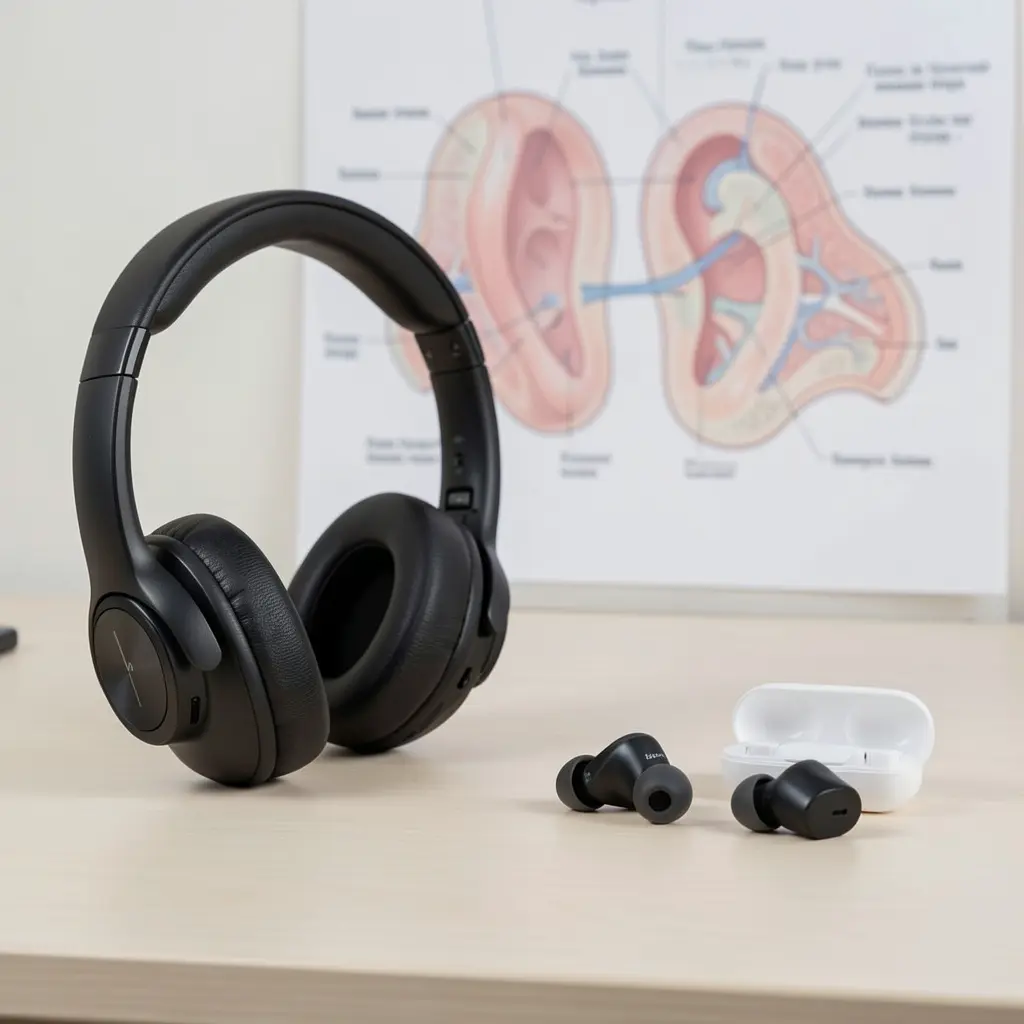
Over-ear headphones sit around the ears, fully enclosing them. They don’t enter the ear canal and usually provide passive noise isolation through large ear cups.
What Are In-Ear Headphones?
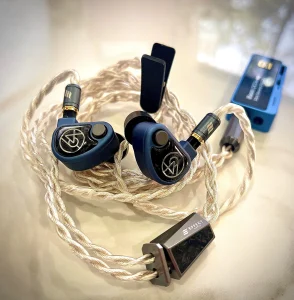
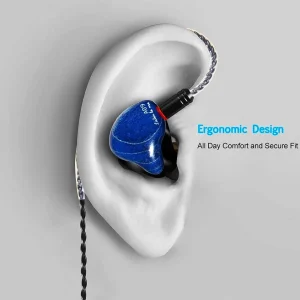
In-ear headphones (earbuds or IEMs) sit inside the ear canal. They deliver sound directly into the ear and rely on ear tips for isolation.
How Headphones Affect Ear Health
Hearing health depends on three core factors:
1. Sound Pressure Level (Volume Exposure)
Higher volume over long periods damages inner ear hair cells, leading to permanent hearing loss.
2. Duration of Use
Listening at moderate volume for many hours can still be harmful if breaks aren’t taken.
3. Physical Ear Stress
Pressure, heat, moisture, and bacterial buildup can cause infections and discomfort.
Both over-ear and in-ear headphones affect these factors differently.
”safe listening volume for headphones”
Are Over-Ear Headphones Better Than In-Ear for Hearing Health?
Short Answer (Explained Properly)
Yes, over-ear headphones are generally better for ear health—but only when used correctly.
Let’s break down why.
Volume Safety: Which Headphone Type Is Safer?
Over-Ear Headphones and Volume Control
-
Larger drivers distribute sound more evenly
-
Better passive noise isolation
-
Users tend to listen at lower volumes
Because external noise is reduced naturally, there’s less temptation to increase volume.
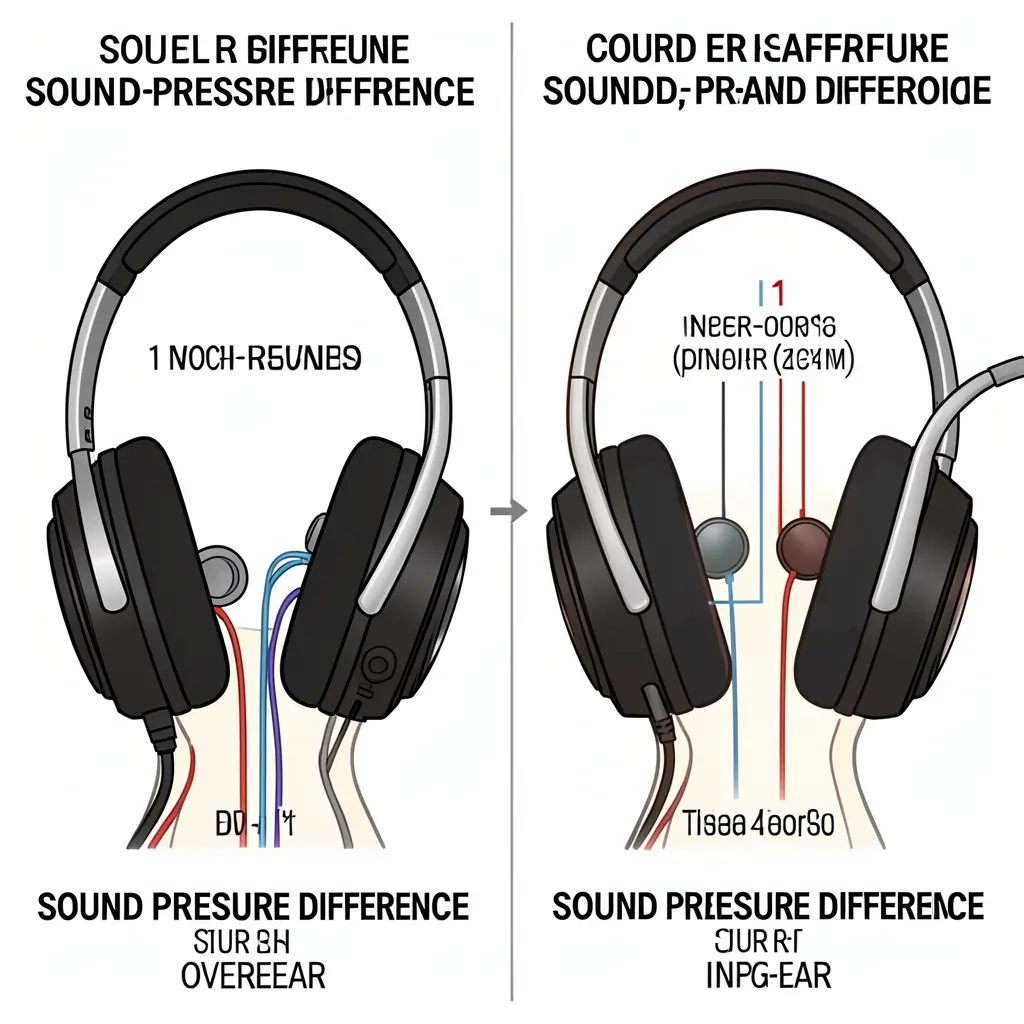
In-Ear Headphones and Volume Risk
-
Sound is delivered directly into the ear canal
-
Even small volume increases significantly raise sound pressure
-
Higher risk of accidental over-listening
Health Verdict:
Over-ear headphones offer safer volume control for long listening sessions.
Ear Canal Health: Pressure, Heat, and Infections
In-Ear Headphones: Hidden Health Risks
-
Trap moisture inside the ear
-
Increase risk of ear infections
-
Can push earwax deeper
-
Prolonged use may irritate ear canal skin
Over-Ear Headphones: External Contact Only
-
Do not block the ear canal
-
Better airflow around ears
-
Lower risk of bacterial growth
Health Verdict:
Over-ear headphones are safer for ear canal hygiene and comfort.
Long Listening Sessions: Which Is Better?
Over-Ear Headphones for Long Hours
-
Designed for extended use
-
Cushioned ear cups reduce pressure
-
Ideal for work, editing, and gaming
In-Ear Headphones for Short Bursts
-
Lightweight and portable
-
Less comfortable after 1–2 hours
-
Ear fatigue occurs faster
Health Verdict:
For daily long-term use, over-ear headphones are healthier.
”best headphones for long working hours”
Noise Isolation vs Noise Cancellation: Health Impact
Passive Isolation (Over-Ear)
-
Natural sound blocking
-
No electronic pressure sensation
-
Less listening fatigue
Active Noise Cancellation (Both Types)
-
Reduces background noise
-
Helps lower volume usage
-
Some users feel ear pressure
Important Note:
ANC itself does not damage hearing, but poorly tuned ANC earbuds may cause discomfort.
Are In-Ear Headphones Ever a Healthy Choice?
Yes—when used correctly.
In-Ear Can Be Safe If:
-
Volume stays below 60%
-
Usage is under 90 minutes continuously
-
Ear tips fit properly
-
Earbuds are cleaned regularly
Ideal Use Cases:
-
Commutes
-
Short calls
-
Light workouts
They’re not ideal for all-day use.
Over-Ear Headphones: Potential Health Downsides
To be fair, over-ear headphones are not perfect.
Possible Issues:
-
Heat buildup around ears
-
Sweat during long sessions
-
Neck strain if too heavy
How to Reduce These Risks:
-
Choose breathable ear pads
-
Take breaks every 60–90 minutes
-
Avoid overly heavy models
Over-Ear vs In-Ear: Health Comparison Table
| Health Factor | Over-Ear | In-Ear |
|---|---|---|
| Volume Safety | Better | Riskier |
| Ear Canal Health | Safer | Higher risk |
| Long-Term Comfort | Excellent | Moderate |
| Infection Risk | Low | Higher |
| Portability | Low | High |
Which Is Better for Specific Use Cases?
For Office Work & Freelancing
Over-ear headphones are healthier due to comfort and lower volume needs.
For Gaming
Over-ear headphones are safer and more immersive.
For Exercise
In-ear headphones are practical, but hygiene is critical.
For Travel
Noise-canceling over-ear headphones reduce listening fatigue.
How to Choose the Healthiest Headphones
Key Health-Focused Features to Look For:
-
Comfortable padding
-
Wide frequency response
-
Low distortion at low volume
-
Adjustable fit
Avoid choosing headphones based only on loudness or bass.
Best Practices to Protect Your Hearing (Regardless of Type)
-
Follow the 60/60 rule (60% volume, 60 minutes)
-
Take regular breaks
-
Clean ear tips or ear pads weekly
-
Avoid sleeping with headphones
-
Get hearing tests if you use headphones daily
Internal Resources You May Find Helpful
(Place this section after this H2 for best SEO value)
-
Best Headphones for Long Working Hours
-
How Loud Is Too Loud for Headphones?
-
Common Headphone Mistakes That Damage Hearing
External References for Hearing Safety
(Place this section near the end, before FAQ)
-
World Health Organization (safe listening guidelines)
-
CDC hearing health resources
Frequently Asked Questions (FAQ)
Are over-ear headphones completely safe?
No headphone is completely safe if used at high volume for long periods.
Do in-ear headphones cause more hearing loss?
They can, if used improperly, due to higher sound pressure.
Is noise-canceling safer for hearing?
Yes, because it reduces the need for high volume.
Which is better for kids?
Over-ear headphones with volume limits are safer.

Final Verdict: Are Over-Ear Headphones Better Than In-Ear for Health?
Yes—over-ear headphones are generally better for ear health, especially for long daily use.
They reduce volume risk, protect the ear canal, and offer superior comfort.
However, healthy listening habits matter more than headphone type.
Use the right headphones and use them responsibly.