What Most People Get Wrong About Daily Headphone Use
Using headphones has become a daily habit for work, entertainment, and communication. However, many users unknowingly make critical mistakes that slowly damage their hearing.
This guide explains the most common headphone mistakes that damage hearing, who should be concerned, and how avoiding these habits can protect your ears long term.
Who this is for:
-
Daily headphone users
-
Office and remote workers
-
Students and gamers
-
Anyone experiencing ear fatigue or ringing
What you’ll gain:
-
Awareness of risky listening habits
-
Practical fixes you can apply immediately
-
Long-term hearing protection strategies
Listening at Unsafe Volume Levels
Why Loud Volume Is the Biggest Mistake
One of the most common headphone mistakes is listening at excessively high volume. Prolonged exposure to loud sound damages the tiny hair cells in the inner ear. Once damaged, these cells do not regenerate.
Sounds above 85 decibels can cause permanent hearing loss if exposure is long enough. Many headphones can exceed this level easily.
Why Users Turn the Volume Too High
-
Background noise in public places
-
Poor noise isolation
-
Habitual volume increase over time
This creates a dangerous cycle where ears adapt to loud sound and demand even higher volume.
safe volume levels for headphones
Using Headphones for Too Long Without Breaks
Continuous Listening and Ear Fatigue
Listening for hours without breaks strains the auditory system. Even moderate volume can become harmful when exposure time is too long.
Common symptoms include:
-
Ear fullness
-
Temporary ringing
-
Reduced sound clarity
These are warning signs, not normal effects.
The Importance of Listening Breaks
Experts recommend taking breaks every 60 minutes. This allows the auditory system to recover and reduces long-term damage risk.
protect your hearing while using headphones
Using Earbuds in Noisy Environments
Why Noisy Places Increase Risk
Using earbuds on public transport, streets, or gyms forces users to raise volume to overpower ambient noise. Because earbuds sit directly inside the ear canal, this significantly increases sound pressure on the eardrum.
Safer Alternatives in Loud Environments
Over-ear headphones with passive or active noise isolation reduce the need to increase volume.
headphones for loud environments

Ignoring Early Warning Signs of Hearing Damage
Common Warning Symptoms
Many users ignore early symptoms, assuming they are temporary. These include:
-
Ringing in the ears (tinnitus)
-
Muffled hearing after listening
-
Sensitivity to normal sounds
Ignoring these signs can lead to permanent damage.
When to Take Action
If symptoms persist for more than a few hours, it’s a signal to reduce volume, limit usage, and reassess listening habits immediately.
Wearing Poorly Fitting Headphones or Earbuds
Fit Affects Sound Pressure
Poor fit causes sound leakage, prompting users to increase volume. This is common with cheap earbuds or incorrectly sized ear tips.
Why Proper Fit Matters
A good fit:
-
Improves sound clarity
-
Reduces required volume
-
Enhances comfort
This directly lowers hearing damage risk.
Sleeping With Headphones On
Why Sleeping With Headphones Is Risky
Many users fall asleep while listening to audio. This leads to:
-
Extended exposure without awareness
-
Uncontrolled volume spikes
-
Ear canal irritation
Sleeping removes your body’s ability to react to discomfort or danger.
Safer Sleep Listening Habits
If audio is necessary, use:
-
Low volume
-
Timers or auto-off features
-
External speakers at minimal volume
Not Cleaning Headphones and Earbuds Regularly
Hygiene and Ear Health Connection
Dirty earbuds trap bacteria and moisture, increasing infection risk. Ear infections can cause temporary or permanent hearing loss if untreated.
Proper Cleaning Habits
-
Clean earbuds weekly
-
Wipe headphone ear pads regularly
-
Avoid sharing headphones
Choosing the Wrong Headphone Type for Daily Use
Earbuds vs Headphones for Long-Term Safety
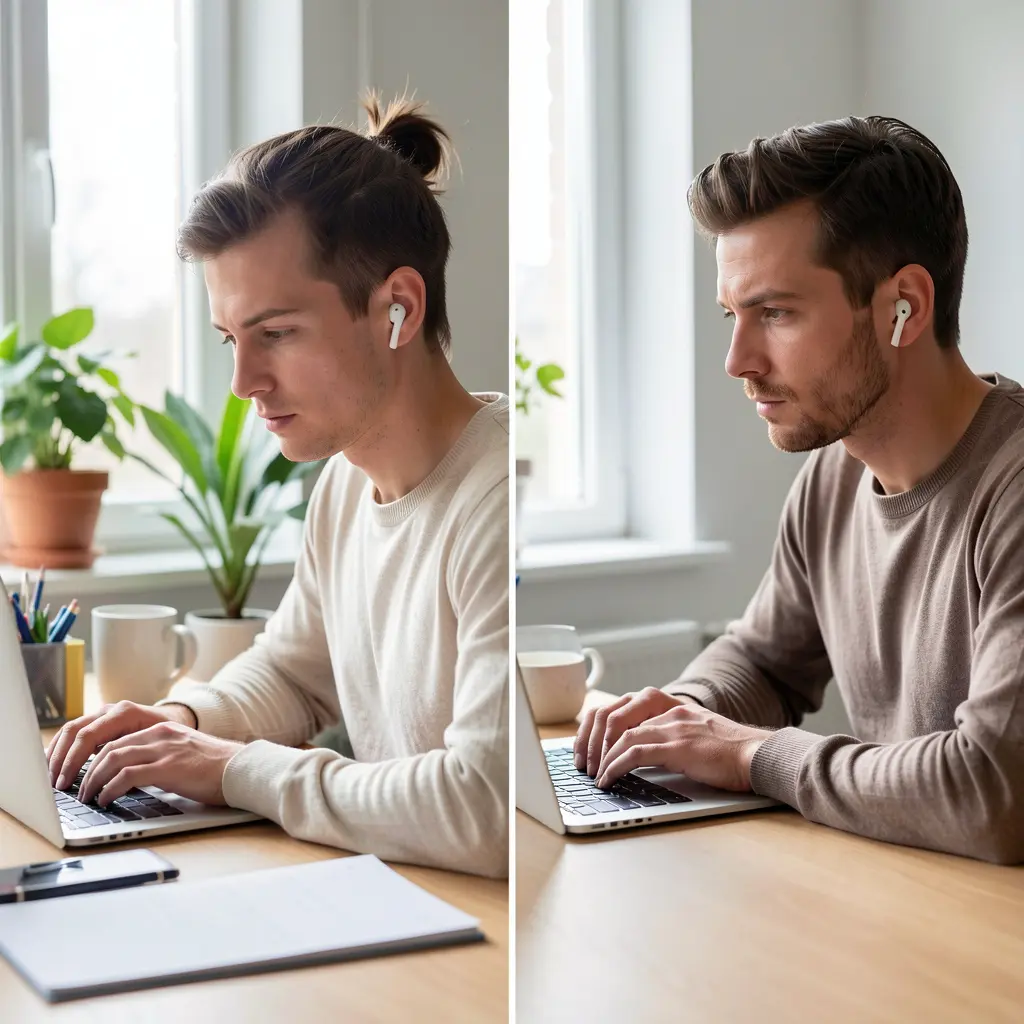
Earbuds increase risk due to their proximity to the eardrum. Over-ear headphones distribute sound more naturally and are safer for long sessions.
headphones vs earbuds safety comparison
Relying on Maximum Volume as “Normal”
Why Maximum Volume Is Never Safe
Many users assume if a device allows high volume, it must be safe. In reality, devices do not restrict volume based on hearing health.
Listening near maximum volume dramatically shortens the time it takes to cause damage.
Setting Safe Volume Limits
-
Keep volume under 60%
-
Enable volume limit settings on devices
-
Use noise-isolating headphones
Practical Tips to Avoid Hearing Damage From Headphones
-
Follow the 60/60 rule
-
Take listening breaks
-
Avoid earbuds in loud environments
-
Choose over-ear headphones for long sessions
-
Pay attention to warning symptoms
-
Maintain device hygiene
Choosing Safer Headphones for Daily Listening
If you use headphones for work, gaming, or long daily sessions, choosing the right type can significantly reduce hearing damage risk.
Over-ear headphones with good noise isolation allow comfortable listening at lower volumes, making them a safer long-term option compared to standard earbuds.
Conclusion – Small Habits, Big Hearing Consequences
Most hearing damage caused by headphones is preventable. The most common headphone mistakes—excessive volume, long listening sessions, ignoring warning signs, and using the wrong type of device—gradually harm hearing over time.
By correcting these habits and choosing safer listening practices, you can enjoy audio daily without sacrificing your long-term hearing health.
(FAQ) Frequently Asked Questions About Headphone Hearing Damage
Can headphones permanently damage hearing?
Yes. Listening at high volume for long periods can permanently damage inner ear hair cells, leading to irreversible hearing loss.
Is it safer to use headphones or earbuds?
Over-ear headphones are generally safer than earbuds because they sit farther from the eardrum and require lower volume levels.
How loud is too loud for headphones?
Any volume above 85 dB can be harmful if exposure is prolonged. Staying under 60% volume is considered safer for daily use.
Does noise-canceling help protect hearing?
Yes. Noise-canceling headphones reduce background noise, helping users avoid turning the volume too high.
What are early signs of headphone-related hearing damage?
Common signs include ringing in the ears, ear fatigue, muffled hearing, and sensitivity to sound.