How Loud Is Too Loud for Headphones?
If you are asking how loud is too loud for headphones, you are already taking the right step toward protecting your hearing. Most people use headphones daily—for work, gaming, commuting, or entertainment—without realizing that unsafe volume levels can cause permanent hearing damage over time.
Who is this for?
This guide is for:
-
People who use headphones for long hours
-
Office workers and remote professionals
-
Gamers and streamers
-
Music lovers and podcast listeners
-
Anyone worried about hearing loss
What benefit will you get?
After reading this guide, you will:
-
Know exactly what volume level is safe
-
Understand how loud sound damages hearing
-
Learn how long you can safely listen at different volumes
-
Discover practical ways to protect your ears while using headphones
Understanding Sound Levels and Volume
Before defining what is “too loud,” it’s important to understand how sound is measured.
What Is a Decibel (dB)?
Sound loudness is measured in decibels (dB). The decibel scale is logarithmic, meaning:
-
Every increase of 10 dB sounds roughly twice as loud
-
Small increases in volume can greatly increase damage risk
Common Sound Levels for Reference
-
Whisper: ~30 dB
-
Normal conversation: ~60 dB
-
Busy traffic: ~85 dB
-
Loud music through headphones: 90–110 dB
-
Sirens or concerts: 120 dB+
How Loud Is Too Loud for Headphones?
The Safe Volume Threshold
Hearing experts generally agree:
-
Anything above 85 dB is considered unsafe with prolonged exposure
At this level, hearing damage does not happen instantly—but builds up over time.
Why Headphones Are Risky
Headphones place sound directly into your ear canal, which means:
-
Sound energy is concentrated
-
Damage occurs faster than with external speakers
-
You may not feel pain until damage has already started
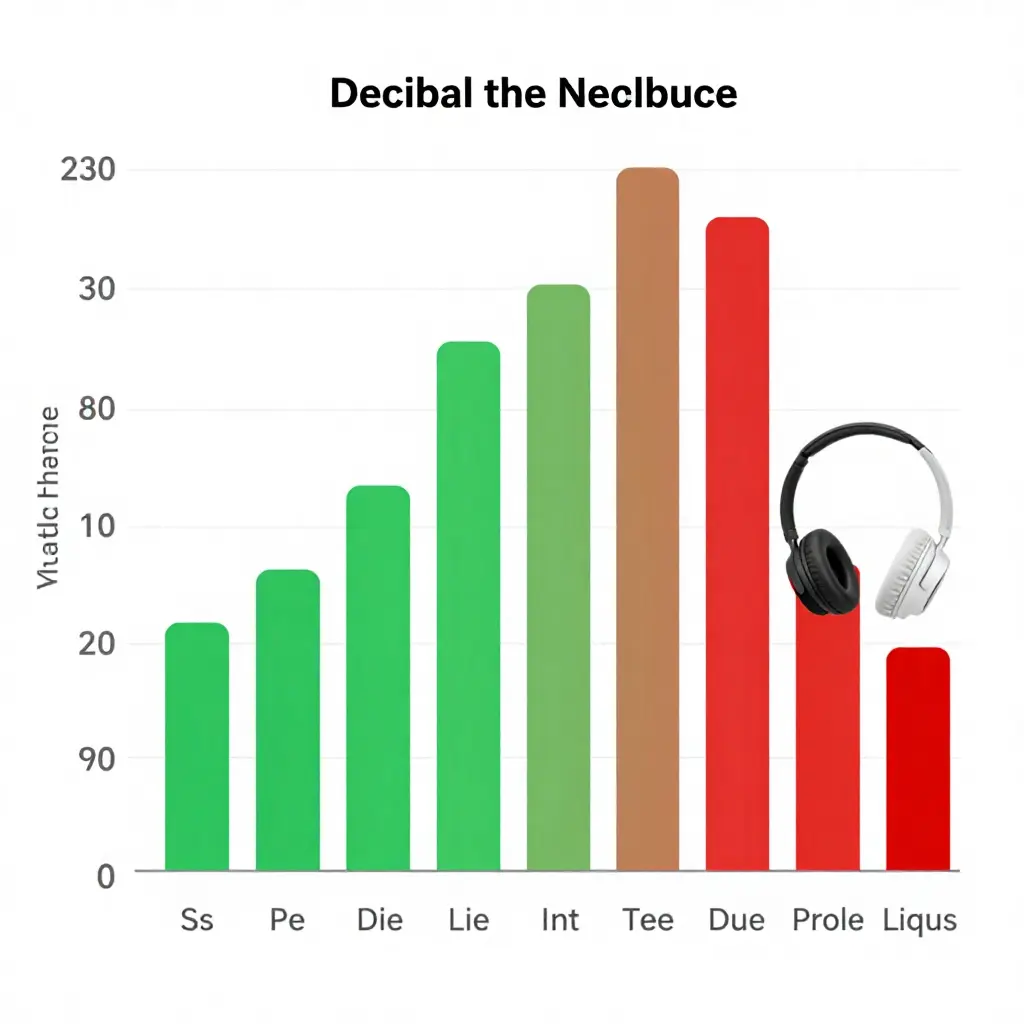
Safe Listening Time by Volume Level
Recommended Exposure Limits
Here’s a practical guideline based on hearing safety research:
-
60 dB – Safe for unlimited time
-
70 dB – Safe for several hours
-
85 dB – Maximum 8 hours
-
90 dB – 2 hours
-
100 dB – 15 minutes
-
110 dB – Less than 1 minute
The louder the sound, the shorter the safe listening time.
Why People Accidentally Listen Too Loud
Background Noise
People raise volume to overpower:
-
Office noise
-
Traffic
-
Airplane engines
Poor Headphone Quality
Low-quality headphones:
-
Leak sound
-
Lack noise isolation
-
Force higher volume usage
Listening Fatigue
Over time, your ears adapt, making loud sound feel “normal.”
Signs Your Headphones Are Too Loud
Early Warning Signs
-
Ringing in the ears (tinnitus)
-
Muffled hearing after listening
-
Difficulty understanding speech
-
Ear discomfort or pressure
These are danger signals, not normal experiences.
Long-Term Effects of Listening Too Loud
Noise-Induced Hearing Loss
This type of hearing loss:
-
Is permanent
-
Happens gradually
-
Often goes unnoticed at first
Tinnitus
Constant ringing or buzzing:
-
Can last for life
-
Has no guaranteed cure
-
Is commonly caused by headphone overuse
The 60/60 Rule Explained
What Is the 60/60 Rule?
A widely recommended guideline:
-
Listen at no more than 60% volume
-
For no longer than 60 minutes at a time
Why It Works
-
Keeps sound under risky levels
-
Forces listening breaks
-
Reduces cumulative damage
How to Check If Your Volume Is Safe
The Conversation Test
If someone standing next to you:
-
Can hear your music → too loud
-
You can’t hear them speaking → too loud
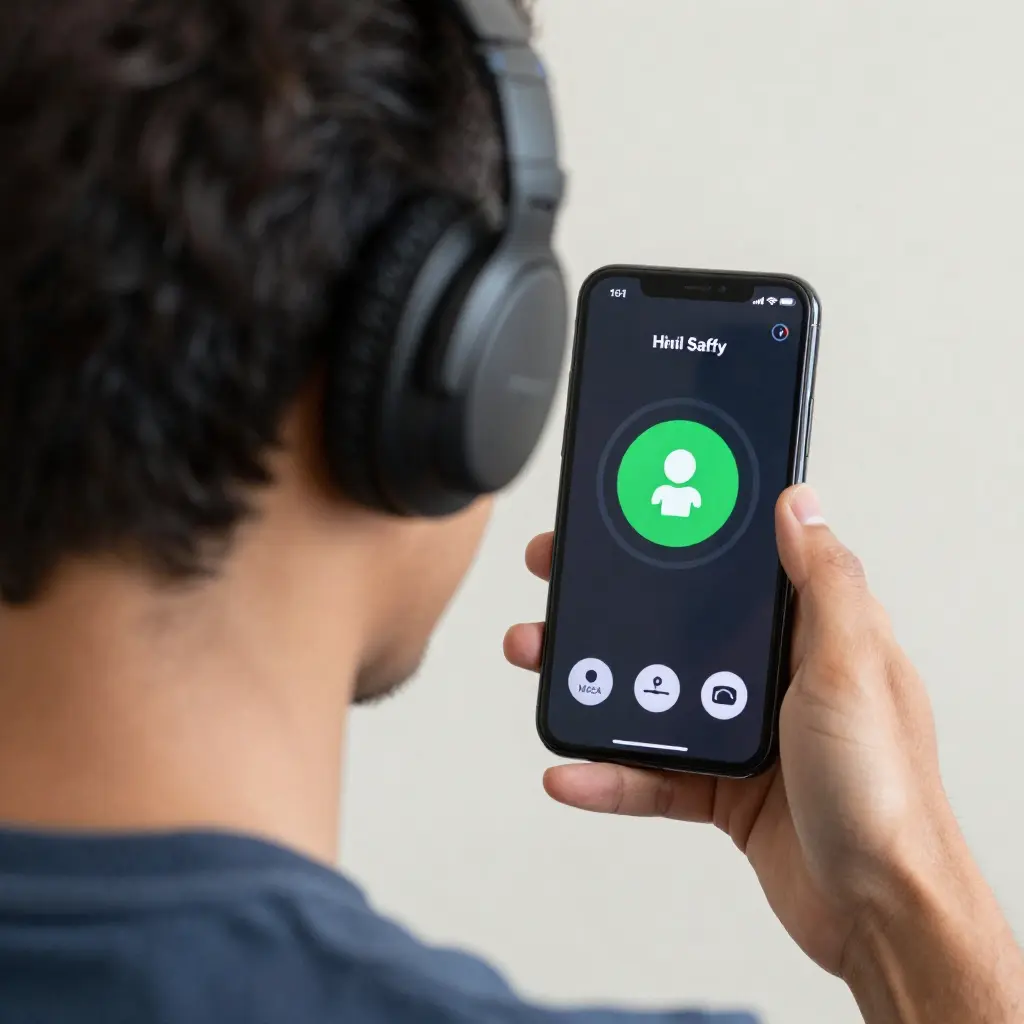
Use Built-In Volume Limits
Most devices allow:
-
Volume caps
-
Hearing safety alerts
-
Weekly exposure tracking
Do Noise Cancelling Headphones Help?
Why Noise Cancellation Can Reduce Risk
Noise cancelling headphones:
-
Reduce background noise
-
Allow lower listening volumes
-
Improve clarity at safer levels
They do not protect hearing if volume is still too high—but they help reduce temptation to raise it.
Headphones vs Earbuds: Which Is Safer?
Over-Ear Headphones
-
Better sound isolation
-
Lower volume needed
-
More comfortable for long sessions
In-Ear Earbuds
-
Sit closer to eardrum
-
Easier to overuse
-
Require careful volume control
Fit and usage habits matter more than design alone.
Safe Volume for Different Activities
Working Long Hours
-
Keep volume low and steady
-
Use over-ear or noise isolating headphones
-
Take breaks every hour
Gaming
-
Avoid sudden loud effects
-
Use dynamic range compression if available
Music and Entertainment
-
Avoid max volume even briefly
-
Give ears recovery time
Best Headphones for Working in Loud Environments
How to Choose Headphones for Long Working Hours
Frequently Asked Questions
What volume is too loud for headphones?
Anything above 85 dB for long periods is considered unsafe.
Is listening at full volume ever safe?
No. Even short exposure can damage hearing.
Are kids more vulnerable to loud headphones?
Yes. Children’s ears are more sensitive to damage.
Can hearing loss from headphones be reversed?
No. Noise-induced hearing loss is permanent.
Do volume limiter apps really help?
Yes, they help control exposure and build safer habits.
Final Touch
Understanding how loud is too loud for headphones is essential in a world where headphone use is part of daily life. Hearing damage does not happen overnight—it builds silently through repeated exposure to unsafe volume levels.
By keeping volume under control, following the 60/60 rule, using noise isolating or noise cancelling headphones, and taking regular breaks, you can enjoy audio without risking permanent hearing loss. Protecting your hearing today ensures you can continue enjoying sound clearly for years to come.