Why Hearing Protection Matters When Using Headphones
How to protect your hearing while using headphones is a critical question for anyone who listens to music, games, works, or watches content daily with headphones or earbuds.
This guide is written for:
-
People who use headphones for long hours
-
Gamers and remote workers
-
Music lovers and podcast listeners
-
Anyone worried about long-term hearing damage
By following the strategies in this article, you will learn how to:
-
Prevent hearing loss caused by headphones
-
Use safe volume levels without sacrificing sound quality
-
Choose headphones that are safer for long-term use
-
Build healthy listening habits that protect your ears
How Headphones Can Damage Your Hearing
Hearing damage usually happens gradually, which is why many people don’t realize it until it’s too late.
Prolonged Loud Volume
Listening at high volume for extended periods can damage the tiny hair cells inside the inner ear. Once damaged, these cells do not regenerate.
Listening Duration
Even moderate volume can be harmful if used continuously for many hours without breaks.
Poor Sound Isolation
Headphones with poor isolation force users to increase volume to block background noise, increasing the risk of hearing damage.
Safe Volume Levels for Headphone Use
The 60/60 Rule
One of the most recommended guidelines:
-
Listen at no more than 60% volume
-
For no longer than 60 minutes at a time
After each session, take a short break to allow your ears to recover.
Decibel Levels Explained
-
60 dB: Normal conversation (safe)
-
85 dB: Maximum safe exposure for 8 hours
-
100 dB: Hearing damage possible within minutes
Most smartphones and laptops can exceed safe listening levels easily.
Signs You May Be Damaging Your Hearing
Watch out for these warning signs:
-
Ringing or buzzing in your ears (tinnitus)
-
Muffled hearing after headphone use
-
Needing higher volume than before
-
Ear fatigue or discomfort
If these symptoms appear frequently, your listening habits need adjustment.
Choosing Headphones That Are Safer for Your Ears
Noise-Cancelling Headphones
Active noise-cancelling headphones reduce background noise, allowing you to listen at lower volumes.
Over-Ear vs In-Ear Headphones
-
Over-ear headphones generally provide better sound isolation and comfort
-
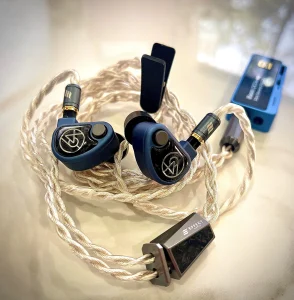
In-ear headphones can be safe if they fit well and are used at moderate volume
Sound Quality Matters
Clear sound at lower volumes is safer than distorted sound that encourages volume increase.
How Listening Environment Affects Hearing Safety
Noisy Environments
Using headphones in traffic, public transport, or busy workplaces increases the temptation to raise volume.
Quiet Spaces
In quiet environments, lower volume levels feel more satisfying and reduce ear strain.
Healthy Listening Habits to Protect Your Hearing
Take Regular Breaks
Follow a simple rule:
-
5–10 minute break every hour
Use Volume Limiters
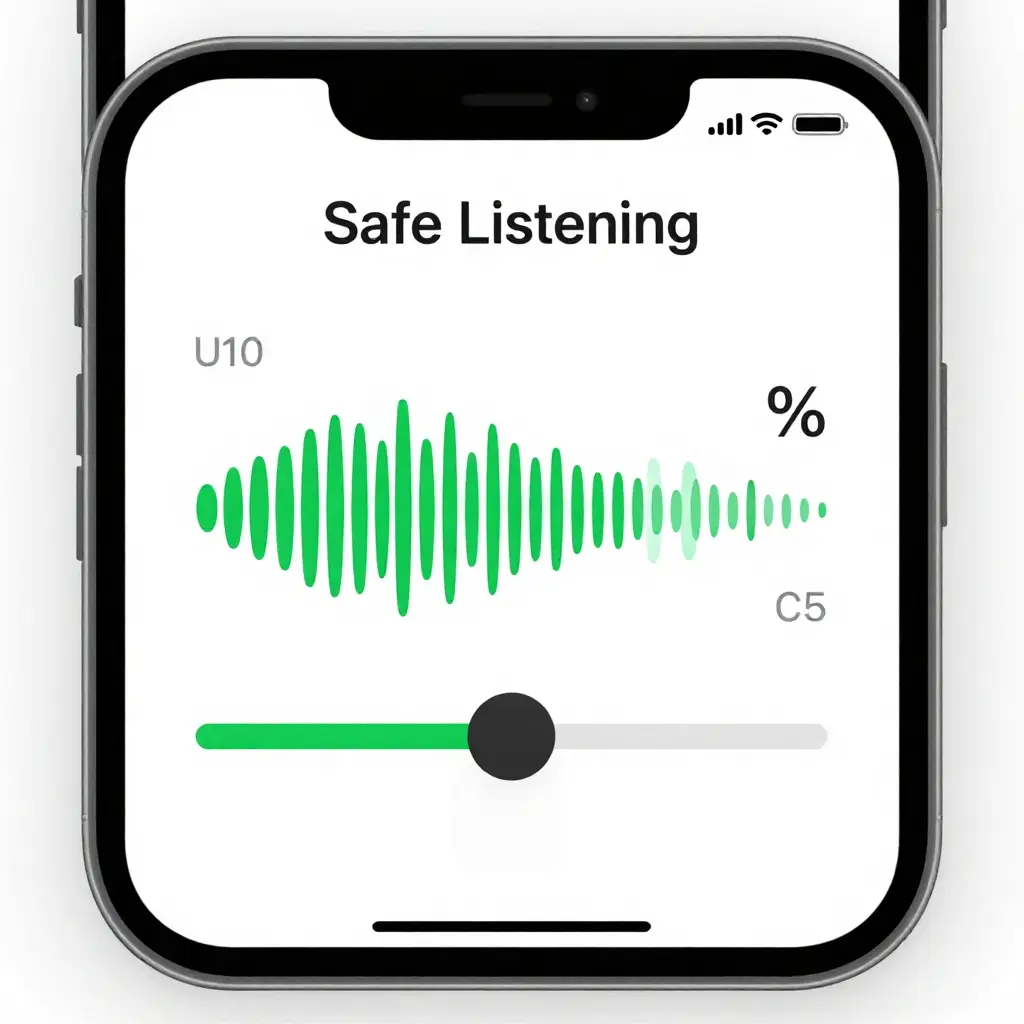
Many smartphones and music apps offer built-in volume limit features—use them.
Avoid Sleeping with Headphones
Listening while sleeping can expose your ears to unsafe volume for extended periods without awareness.
Headphones for Long Working Hours – Safety Tips
People who work with headphones all day should:
-
Use comfortable, lightweight headphones
-
Alternate between speakers and headphones when possible
-
Prioritize clarity over loudness
Protecting Children’s Hearing
Children’s ears are more sensitive than adults’.
Tips:
-
Use child-safe volume-limited headphones
-
Monitor listening time
-
Educate children about safe volume habits early
How Loud Is Too Loud for Headphones?
Best Headphones for Working in Loud Environments
Frequently Asked Questions (FAQ)
Can headphones cause permanent hearing loss?
Yes. Long-term exposure to loud volume can cause irreversible hearing damage.
Are noise-cancelling headphones safer?
Yes, because they reduce background noise and allow lower listening volumes.
Is listening at low volume always safe?
Low volume is safer, but long continuous use without breaks can still cause fatigue.
How long can I safely use headphones daily?
It depends on volume, but frequent breaks and moderate levels are key.
Final Touch
Learning how to protect your hearing while using headphones is essential in a world where audio devices are used daily for work, entertainment, and communication.
By maintaining safe volume levels, choosing the right headphones, taking regular breaks, and building healthy listening habits, you can enjoy your audio without risking long-term hearing loss. Protecting your hearing today ensures you can continue enjoying sound clearly for years to come.