What Are In-Ear Monitor Headphones and Who Are They For?
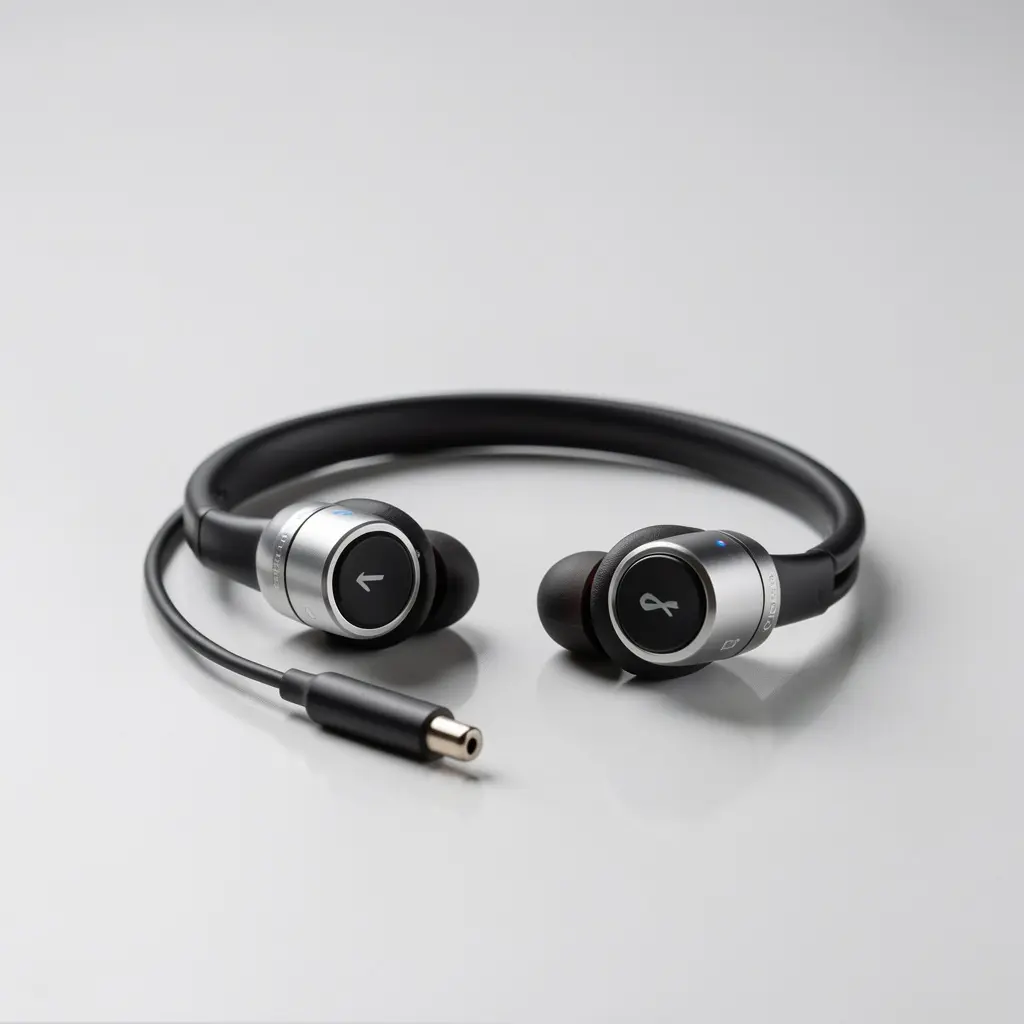
In-ear monitor headphones, often called IEMs, are specialized earphones designed to deliver accurate, detailed sound directly into the ear canal. Unlike regular earbuds, they are built for precision, isolation, and long listening sessions.
This guide is for:
-
Musicians and vocalists
-
Gamers and streamers
-
Audio engineers and content creators
-
Anyone looking for better sound clarity than standard earbuds
Benefit:
By the end of this guide, you’ll understand how in-ear monitor headphones work, how they differ from regular earphones, and how to choose the right IEM for your needs—without harming your hearing.
What Makes In-Ear Monitor Headphones Different?
In-ear monitor headphones are engineered for accuracy, not exaggerated bass or artificial sound tuning.
Key Differences from Regular Earbuds
-
Deeper ear canal fit
-
Higher sound isolation
-
More detailed mid and high frequencies
-
Designed for professional monitoring, not casual listening
Unlike consumer earbuds, IEMs aim to reproduce sound as it truly is.
How In-Ear Monitor Headphones Work
IEMs use advanced driver technologies to deliver sound directly into the ear canal, reducing external noise naturally.
Common Driver Types
Dynamic Drivers
-
Strong bass response
-
More natural sound
-
Affordable and durable
Balanced Armature Drivers
-
Extremely detailed sound
-
Common in professional IEMs
-
Often used in multi-driver setups
Hybrid Drivers
-
Combine dynamic + balanced armature
-
Best of both worlds
-
Popular in mid to high-end models
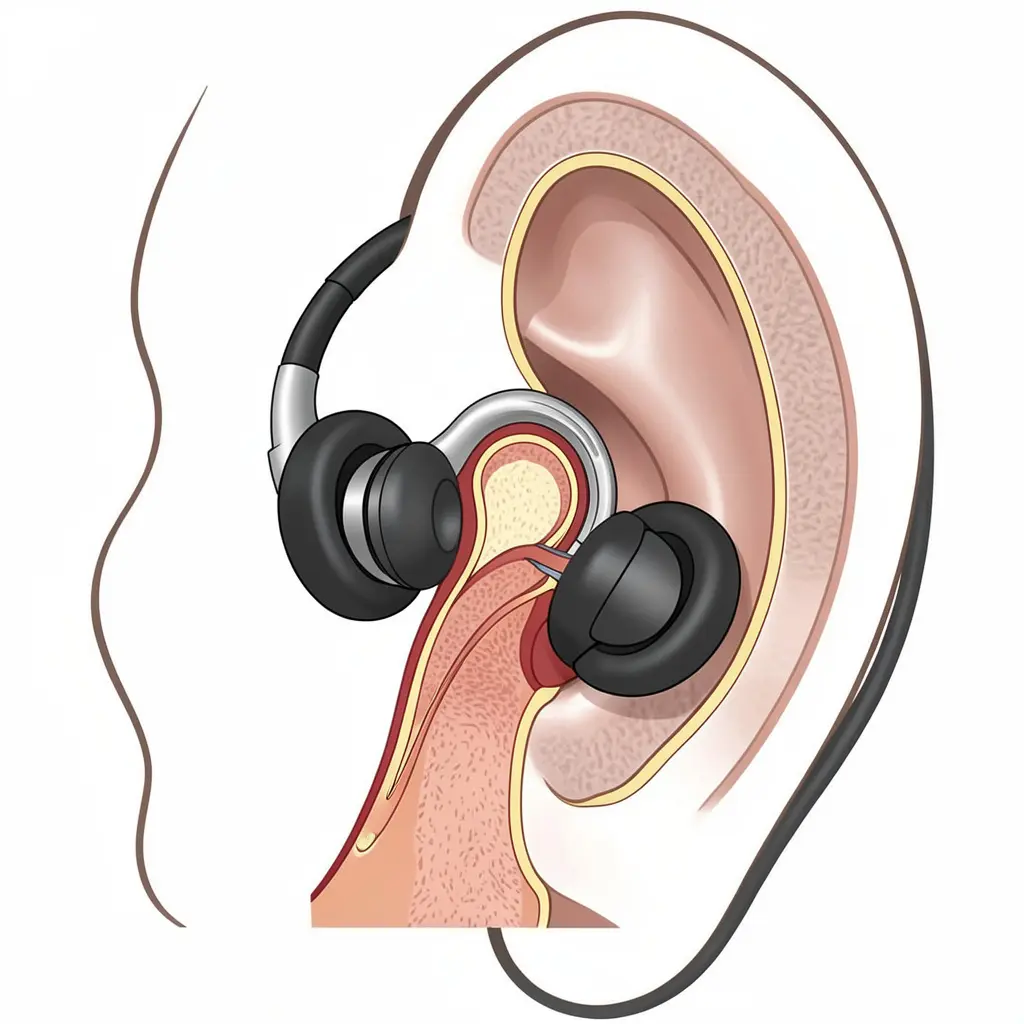
Sound Isolation vs Active Noise Cancelling
In-ear monitor headphones rely on passive noise isolation, not active noise cancelling.
Why Passive Isolation Matters
-
No electronic interference
-
No battery drain
-
Safer for long listening sessions
-
Preferred by professionals on stage
This makes IEMs more reliable than ANC headphones in many scenarios.
Are In-Ear Monitor Headphones Safe for Your Hearing?
Yes—if used correctly.
Because IEMs block outside noise naturally, users don’t need to increase volume dangerously.
However, incorrect usage can still cause damage.
Safe Usage Tips
-
Keep volume below 60%
-
Take listening breaks every 60–90 minutes
-
Use properly fitting ear tips
-
Avoid prolonged high-volume sessions
In-Ear Monitor Headphones for Different Use Cases
For Musicians and Singers
-
Accurate vocal monitoring
-
Reduced stage noise
-
Consistent sound during performances
For Gaming
-
Precise directional audio
-
Better footstep detection
-
Less ear fatigue than bulky headsets
For Work and Long Listening Hours
-
Lightweight and portable
-
Less pressure than over-ear headphones
-
Better focus due to isolation
best headphones for long working hours

IEMs vs Regular Earphones: Which Should You Choose?
| Feature | In-Ear Monitor Headphones | Regular Earbuds |
|---|---|---|
| Sound Accuracy | High | Moderate |
| Noise Isolation | Excellent | Low |
| Fit | Secure | Loose |
| Use Case | Professional | Casual |
| Price Range | Wide | Mostly budget |
If sound clarity and health matter, IEMs are the better choice.
Comfort and Fit: Why Ear Tips Matter
The ear tip determines:
-
Comfort
-
Isolation
-
Sound quality
Common Ear Tip Types
-
Silicone tips (balanced comfort)
-
Foam tips (maximum isolation)
-
Custom-molded tips (best but expensive)
Poor fit can ruin even the best IEM.
Wired vs Wireless In-Ear Monitor Headphones
Most professional IEMs are wired due to:
-
Zero latency
-
Stable connection
-
Better sound quality
Wireless IEMs exist but are more common in casual or stage-monitoring setups.
How to Choose the Right In-Ear Monitor Headphones
Consider These Factors
-
Your primary use (music, gaming, work)
-
Driver configuration
-
Comfort and fit
-
Budget
-
Sound signature preference
Avoid buying purely based on brand name.
Common Mistakes People Make with IEMs
-
Listening too loud because of isolation
-
Using wrong ear tips
-
Sleeping with IEMs on
-
Ignoring ear fatigue
Best Practices for Long-Term Use
-
Clean ear tips regularly
-
Store properly to avoid cable damage
-
Replace tips when worn out
-
Give your ears rest
Proper maintenance improves both sound and health.
FAQ – In-Ear Monitor Headphones
Are in-ear monitor headphones better than earbuds?
Yes, they offer better sound accuracy, isolation, and long-term comfort.
Can beginners use IEMs?
Absolutely. Many beginner-friendly models are available.
Are IEMs good for hearing health?
When used at safe volumes, they are safer than regular earbuds.
Do IEMs need amplifiers?
Not always. Most work well with phones and PCs.