Best Noise-Cancelling Headphones for Adults with Autism – Who This Guide Is For
This comprehensive guide is for adults on the autism spectrum and caregivers who want to reduce sensory overload, improve focus, lower stress, and increase comfort in daily life. Many autistic adults experience auditory hypersensitivity and sensory challenges that make environments like workplaces, public spaces, or home settings overwhelming. Noise-cancelling headphones can be an effective support tool, but choosing the right one — and learning how to use it safely — matters enormously.
In this guide, you’ll learn:
-
How noise cancellation helps with sensory issues
-
What autism-specific sound sensitivity means
-
Headphone design features for comfort and safety
-
Real user experiences and recommended selection criteria
-
Internal and external supporting resources
What Is Sensory Overload in Autism?
Many autistic adults have unique auditory processing patterns that cause ordinary sounds — like chatter, traffic, buzzing lights, or machines — to feel distracting, uncomfortable, or stressful. Sensory overload happens when the brain receives more auditory input than it can comfortably process. This can lead to:
-
Anxiety
-
Stress
-
Irritability
-
Difficulty concentrating
-
Social withdrawal
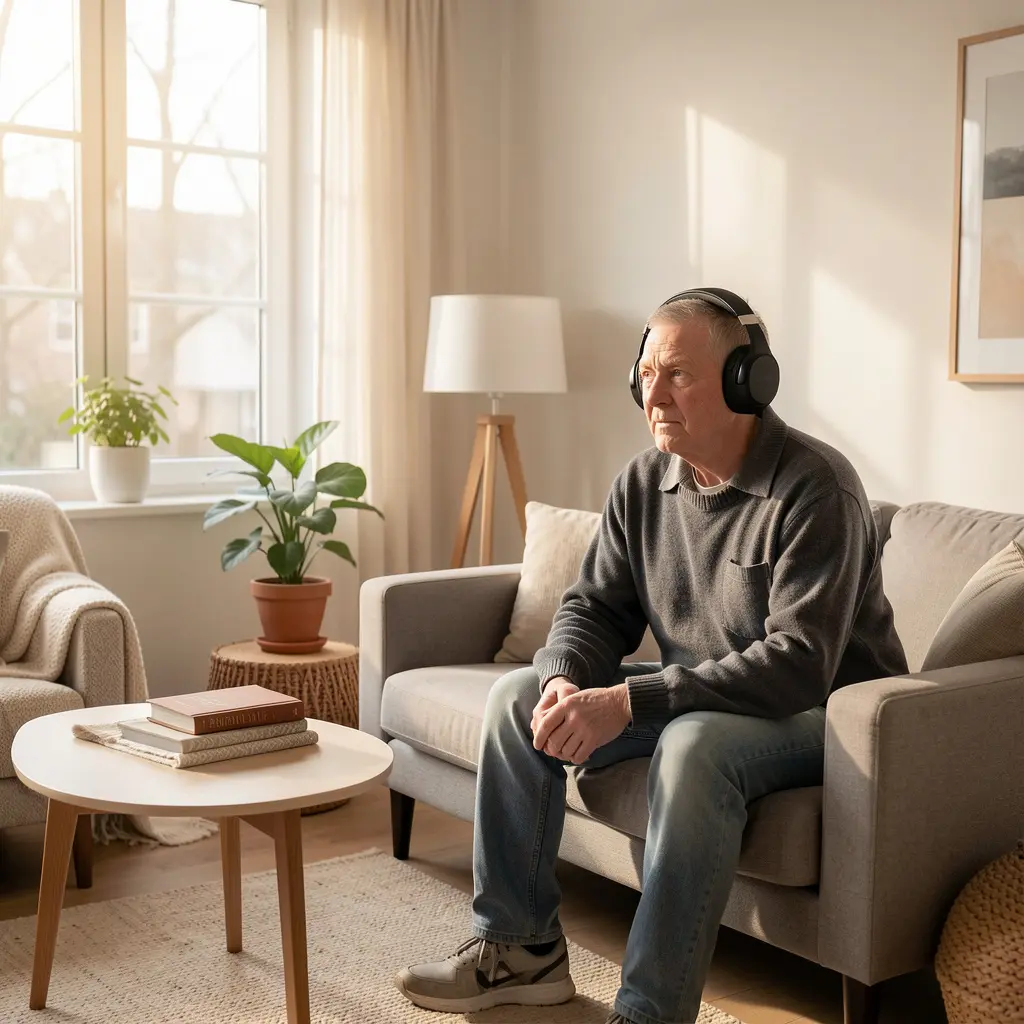
Noise-cancelling headphones can help create a quieter auditory environment, allowing users to process sound without overwhelming sensory input.
How Noise-Cancelling Headphones Work
Active and Passive Noise Reduction
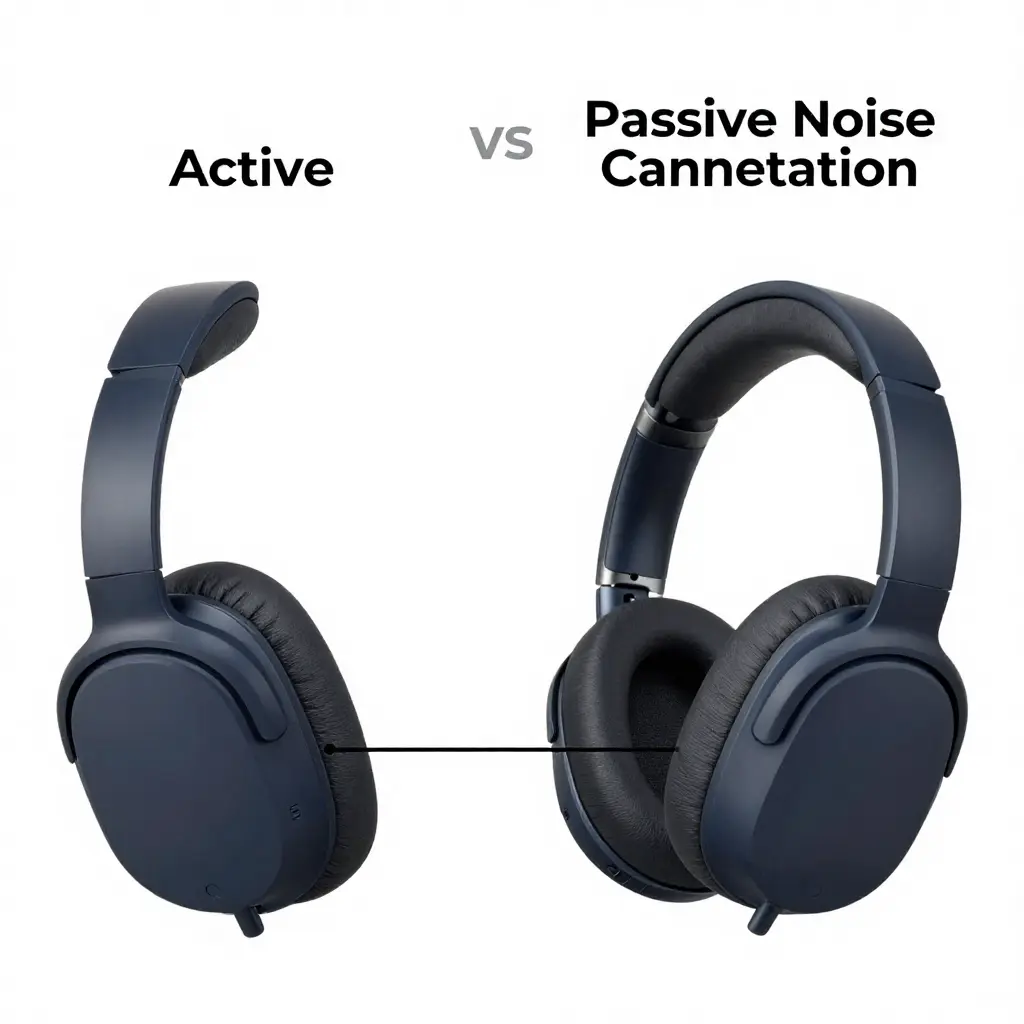
Active Noise Cancellation (ANC) uses built-in microphones to detect ambient sounds and produce sound waves that neutralize those noises. Passive isolation relies on the physical design and materials of the headphones to block sound. Both help reduce unwanted noise, with ANC being especially effective on consistent, low-frequency sounds — like crowd chatter or background hums.
Why This Matters for Autism
For adults with autism, reducing auditory distractions can make environments more predictable and calmer, lowering stress and improving focus. Many clinical and advocacy sources recommend noise cancellation specifically for sensory overload situations.
Are Noise-Cancelling Headphones Helpful for Adults with Autism?
The short answer: Yes — for many autistic adults, noise-cancelling headphones can be extremely beneficial. They aren’t a cure, but they are a valuable tool for managing sensory challenges. Some key benefits include:
Reduce Sensory Overload
By lowering background noise, these headphones help prevent overwhelming auditory input that can trigger stress.
Improve Focus and Calm
After unwanted noise is reduced, adults can concentrate better on tasks, conversations, or quiet activities wherever they are.
Enhance Comfort in Noisy Settings
In public places like busy streets, classrooms, workplaces, or cafes, noise-cancelling technology creates a more predictable auditory environment.
Support Participation in Daily Life
Less sensory stress often translates into greater comfort during social interactions, work tasks, or travel.
Headphone Types and Autism: Which Are Best?
Different listening profiles suit different sensory needs. Here’s how they compare:
Over-Ear Noise-Cancelling Headphones
-
Best for sensory control: Provide excellent passive isolation + ANC
-
Comfortable for prolonged wear
-
Reduce a broad range of noise frequencies
This type is recommended for adults with moderate to severe sensory overload.
In-Ear Noise-Cancelling Earbuds
-
More portable and discreet
-
ANC may be less powerful than over-ear models
-
Foam tips offer good passive isolation
Best for individuals who prefer lightweight, portable devices.
Passive Isolation Headphones
-
Rely on physical ear cup or ear-tip seal
-
No electronics → no background hiss
Best for sensory seekers sensitive to audio electronics or those who don’t want ANC pressure sensation.
Key Features to Look For
When choosing noise-cancelling headphones for adults with autism, focus on these critical features:
Comfort & Fit
Soft ear pads, adjustable fit, and lightweight design reduce pressure and discomfort — especially for sensory-sensitive users.
Volume Limiting & Safe Listening
Volume caps or built-in safe volume features help protect hearing while preventing accidental spikes.
Transparency or Awareness Modes
Help you stay aware of important sounds (voices, alarms) while still filtering background noise.
Battery Life & Reliability
Long battery life supports daily use without frequent charging interruptions.
Easy Controls
Simple physical buttons or intuitive touch controls reduce frustration and make usage easier.
Real User Preferences and Considerations
Online discussions from neurodiverse communities confirm that:
-
Comfortable ear fitting is a priority.
-
Effective noise reduction without sound distortion reduces sensory stress.
-
Some users prefer over-ear for maximum reduction, others like earbuds for lighter weight.
These real experiences align with clinical recommendations for reducing sensory overload in autism.
Situations Where Noise-Cancelling Headphones Help Most
-
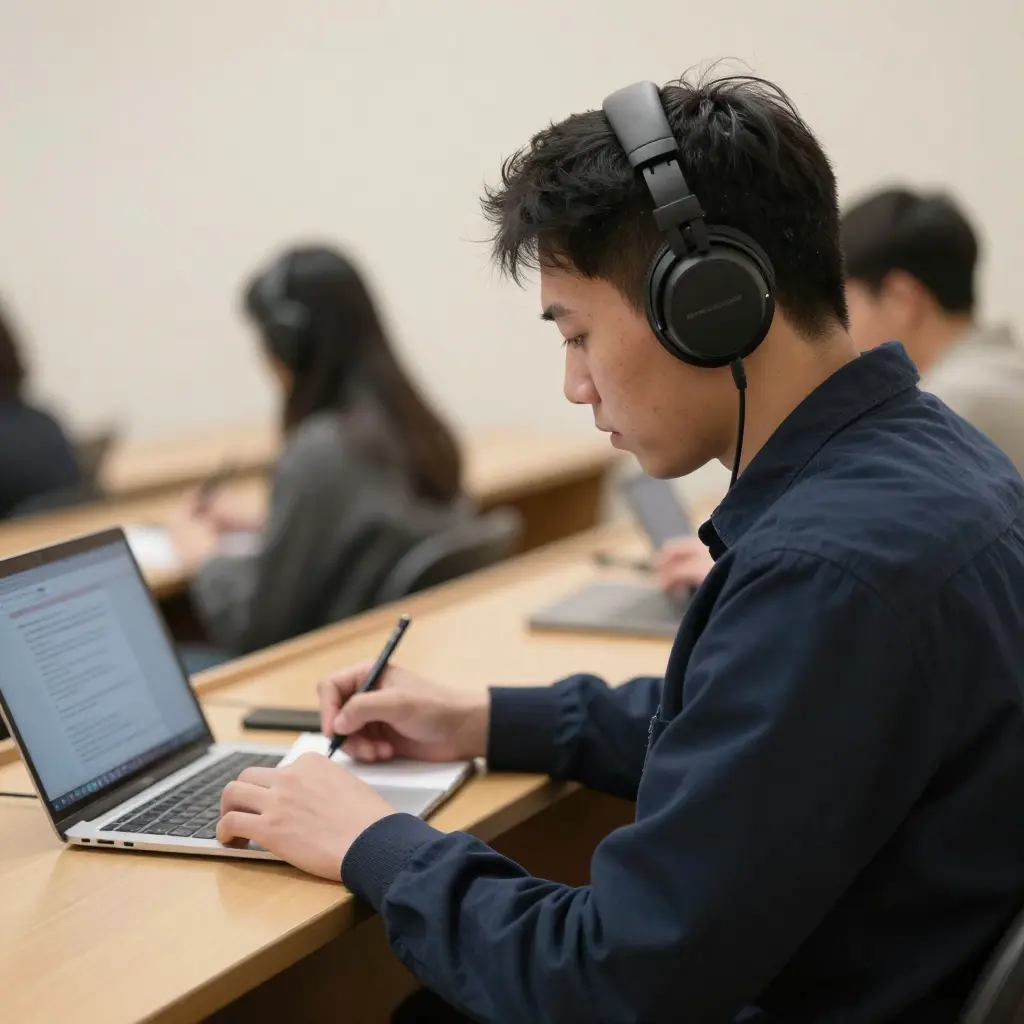
In Classrooms or Workplaces
Filtering crowd and ambient noise helps concentration and reduces anxiety.
-
Public Transport
Buses, trains, or stations often have unpredictable noise patterns; ANC can smooth these out.
-
At Home
Background appliances, family chatter, or neighborhood sounds may be stressful — noise cancellation helps create a predictable sound environment.
Possible Downsides and Safety Considerations
Reduced Awareness
Strong noise cancellation can make it harder to hear important environmental sounds (alerts, alarms). This risk is important to manage.
Pressure Sensation
Some users experience a “pressure” feeling with ANC, which might be uncomfortable for people sensitive to physical sensations.
Introduce Gradually
Especially in autism, gradual adaptation is key — introduce headphones slowly with supervision and monitor comfort.
How to protect your hearing while using headphones
How to Use Headphones Safely for Sensory Needs
To maximize benefit and minimize risk:
Start with Lower Levels
Use ANC at moderate intensities first to see how it feels.
Combine with Breaks
Use headphones for intervals — not all day — to maintain environmental awareness.
Check Volume Limits
Ensure overall listening volume stays within safe limits to protect hearing.
Common headphone mistakes that damage hearing
Autism and noise sensitivity overview — Autism Parenting Magazine
Frequently Asked Questions
How do noise-cancelling headphones help adults with autism?
They reduce background noise and sensory overload, creating a calmer environment and improving focus.
Are noise-cancelling headphones safe to use daily?
Yes, if used at safe volume levels and combined with breaks to maintain environmental awareness.
Should autistic adults prefer over-ear or in-ear models?
Over-ear models often provide deeper noise reduction and comfort, but personal preferences vary.
Noise-cancelling headphones can be a powerful support tool for adults with autism, helping manage sensory overload, improve focus, and increase comfort in daily environments. By choosing headphones with the right features — comfort, volume safety, and appropriate ANC strength — and using them thoughtfully, many autistic adults experience meaningful relief from overwhelming sounds. However, these tools work best when balanced with overall sensory awareness and safety practices.